**Clarifying punctuation and structure for recommendations**
I need to use full Chinese punctuation and avoid mixing different types of punctuation, like Chinese with English. I can keep English words but should incorporate Chinese full-width punctuation. Also, while they didn’t mention Arabic numerals, I’ll avoid them just in case. I should organize 3-6 practical core suggestions in an ordered list under an h2, and include specific recommendations like「企业微信表格」 and「飞书多维表格」, without any extra blank lines. Let's go for it!**Organizing content structure for maintenance suggestions**
I’m laying out the HTML structure for the maintenance of automated screw machines. It starts with a clear introduction and a conclusion that emphasizes the importance of maintenance on production rhythm. The core advice will cover practical techniques like inspections and cleaning, with seven methods split into actionable advice. I also need to ensure all paragraphs hit the minimum character count but keep the total under the limit, allowing for some flexibility with the list text. Let’s proceed carefully!**Structuring content efficiently**
I’m thinking about reducing the content to 5 paragraphs while keeping the suggestions clear. Each paragraph can be approximately 300 words, which will keep me within the limit. I could structure it with an introduction, three core methods, and a final paragraph that describes practical tools. The core suggestions can be presented as an ordered list, separate from the paragraphs. It’s important to use headers correctly, with H2 for sections and H3 for detailed points. Let's make this work!**Designing the content structure**
I’m planning the HTML layout for a guide on screw machine maintenance. It’ll start with a main header and include two main sections. The first section will highlight the importance of maintenance from the practitioner’s perspective, discussing pain points and personal experiences. The second section will break down seven practical methods into five key points. Each method will be detailed in its own paragraph, and I'll also include practical tools like Excel. Lastly, I'll add a brief list of core tips to summarize everything neatly. Let’s make this comprehensive yet concise!**Planning my character count and content**
Counting characters manually is challenging, but I can estimate that there are about 60-70 characters per line, especially in Chinese where 300 characters equal several long sentences. I'll aim for 5-6 sentences per paragraph, each roughly 50-60 characters long to exceed 300. I can include some colloquial language like "说得直白一点" for a conversational tone. It’s important to maintain a valid HTML structure while focusing on the content. I’ll draft my paragraphs carefully to keep everything clear and engaging!
掌握自动化螺丝机厂家设备维护的七个实用方法
掌握自动化螺丝机厂家设备维护的七个实用方法
一、从业者视角:螺丝机维护做不好,产线永远不稳定
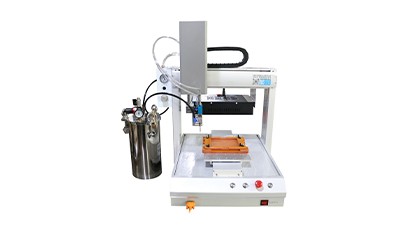
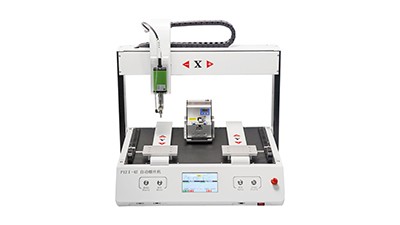
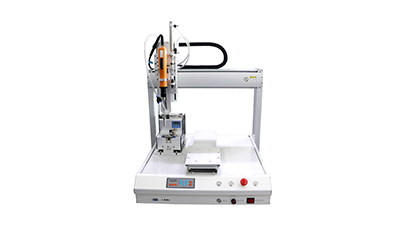
我在自动化螺丝机厂家和现场一线打交道这些年,见过最多的场景就是设备买得不便宜,却总在关键订单节点掉链子:不是拧付扭矩飘,就是螺丝乱飞卡料,人一急就把问题全推给设备厂。说得直白一点,大部分故障都不是设计问题,而是维护不到位。螺丝机对环境、气源、螺丝料、批头磨损都很敏感,如果没有一套可执行的维护方法,靠师傅经验“听声音”迟早翻车。对你来说,真正关心的无非三件事:停机少一点、锁付稳定一点、换人不掉链子。下面我不讲概念,只讲我在厂家和用户现场验证过、能落地的维护方法,让你明白为什么是七个方法,背后其实只需要抓住几个关键点就够。
二、七个实用方法背后的五个关键点
很多厂家给你的维护建议,听起来一大堆:每天清洁、定期加油、定期校准、检查气压、检查螺丝、备好批头、记录故障等等,你一忙起来基本做不到。我的做法是把这些分解成七个具体动作:日点检、周深度清洁、月度精度校准、螺丝和批头管理、参数和程序备份、常见故障复盘、操作员培训这七件事。但经验下来,这七个动作其实可以归拢到五个关键点:标准点检、分层级保养、数据监控、备件管理、知识沉淀。只要你把这五件事建成“制度化的习惯”,七个方法自然就会被覆盖,而不是靠人记在脑子里。下面我就挑里头最关键、最容易落地的三个核心建议展开说,剩下的你可以按这个思路举一反三。
核心建议一:用标准点检表,把经验变成勾选项
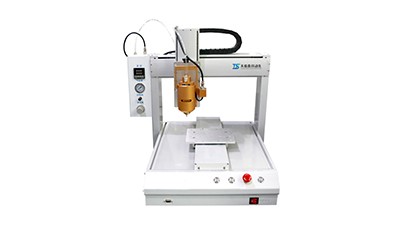
维护想落地,件事就是把“看一眼就知道哪里不对”的经验,变成任何人都能对照的点检表。我在给客户导入时,会做一份专门的螺丝机点检表,按开机前、运行中、收工后三个阶段列项目,比如气压是否在规定范围,振动盘是否有异常噪音,供料轨道有无卡料,批头是否有明显磨损,锁付不良数有没有突然上升,只要勾选“正常”“异常”即可。工具很简单,用一张打印表加签名也行,更推荐用手机扫码的在线表单,比如用“企业微信表格”或“飞书多维表格”做模版,再在设备上贴二维码,操作员每天开机前扫一下两分钟搞定,数据自动沉淀下来,谁点检、漏点了什么一清楚。别指望靠老师傅拍脑袋记,流程化的点检表才是稳定维护的起点。
核心建议二:分层级保养,至少落实“天查、周养、月校准”
很多人理解的保养就是“想起来擦一擦”,结果要么彻底不做,要么一次性搞大扫除,既费力又不系统。我的建议是把维护拆成三个层级,简单记成“天查、周养、月校准”。每天的工作只做肉眼可见的快速检查和清洁,比如吹掉螺丝粉尘,确认锁付头无松动,检查感应器指示灯状态是否正常;每周安排一次十到二十分钟的深度保养,打开放料机构和滑轨检查磨损,补充或更换润滑脂,检查螺丝输送管是否老化;每月做一次精度校准,重点是拧紧精度相关部件,核对扭矩设定和实际测试值,确认程序和参数没有被误改。你可以直接把厂家给的保养建议重新整理成这三类,并做一张简单的“保养日历”贴在设备旁边,谁做完就签字,这样既不会占用太多生产时间,又能保证设备状态可预期。
核心建议三:盯住数据和备件,提前维护而不是被动救火
自动化螺丝机的好处是节拍稳定,但前提是你及时发现趋势性的异常,而不是等停机才知道出事。因此我会要求现场至少记录三类数据:每天每台设备的锁付良率,螺丝卡料、浮高、漏锁等异常次数,以及非计划停机时间。哪怕只是用一张简单的表格,每天填几分钟,一个月后你就能看出哪台机开始“变脾气”了,可以提前排查轨道磨损或批头寿命。第二个常被忽略的是备件管理,螺丝机最容易拖产的往往不是主机坏了,而是一个特殊批头断了、一段供料管裂了、感应器损坏现场又找不到备件。建议你列一份“关键易损件清单”,包含批头、弹簧、振动盘衬垫、感应器、输送管等,给每种设一个更低库存数量,在货架上贴上清晰的编号和适用机型,再用一个简单的备件台账记录领用。哪怕只是纸质台账加白板提醒,也比临时打电话问厂家要货强得多。
五个关键要点速记
- 建立标准化点检表,让任何人都能按表检查,而不是靠个人经验说了算。
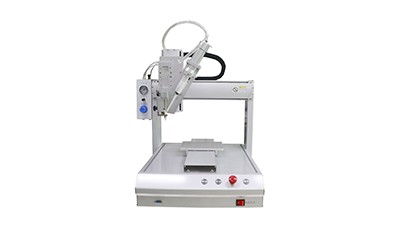
- 把保养拆成“每天检查、每周保养、每月校准”三个层级,少量多次地做。
- 每天记录锁付良率、异常次数和停机时间,用趋势变化提醒自己排查风险。
- 提前规划批头、感应器等易损件的库存和编号位置,避免停机时临时找不到配件。
- 多用手机和在线表格工具,把点检和备件记录数字化,新人也能快速接手工作。