
18938263376

18938263376
热门关键词:
tags under each H2, and since each paragraph should be 300-500 characters, that's a bit of a balancing act! I'll need to ensure I include H3 headings and lists, which can go without paragraphs. The basic structure looks like this: one title, followed by H2 sections with thoughtful paragraphs. It seems like 4 paragraphs total might fit well in their preferred character range. I need to stick to those character limits to meet their requirements.**Structuring suggestions effectively** I need to include 3-6 suggestions in my content. Each suggestion will require a separate paragraph, so that's at least 3 paragraphs plus an introductory one, making 4 paragraphs total. I’m considering creating an introduction followed by an H2 for core suggestions. I could potentially combine explanations for all suggestions into a single paragraph under a final H3, but that might seem odd. Alternatively, I could list the suggestions in an ordered list under the H2 since lists might not count as separate paragraphs. However, I need to ensure everything fits the paragraph structure correctly!**Refining the content structure** I’m considering how to format my content. I could start with an introductory paragraph, then use an ordered list under an H2 for the suggestions, with each list item being around 80-150 characters. That way, I won't need additional paragraphs for those. Next, I can have an H2 for implementation methods, including one paragraph that describes an approach and mentions two tools. I can suggest methods, like using a metronome and an OEE, along with some generic recommendations without brand names. My language should feel natural and conversational, and I want to stick to proper punctuation styles!**Estimating content structure** I'm working on estimating content counts, especially since counting Chinese characters can get tricky. I figure that around 300 characters translates to about 150 words. Given that each character equates to a syllable, I'll aim for paragraphs with about 10-12 sentences, totaling around 250-300 characters each.
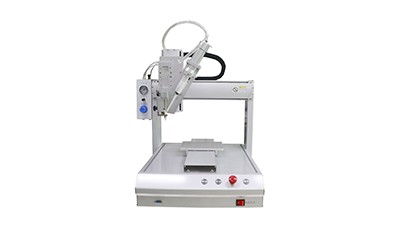
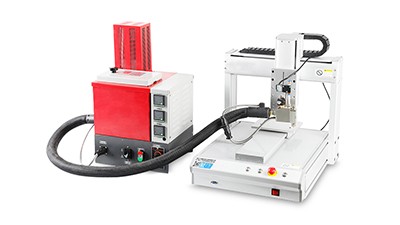
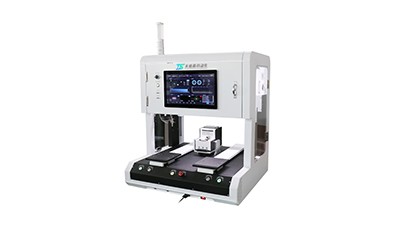
这几年我在珠三角跑工厂,最直观的感受就是:凡是批量用到人工焊锡的产线,只要换上东莞本地做的自动焊锡机,节拍和稳定性几乎肉眼可见地上一个台阶。为什么我会特别强调东莞的设备?一是这里的供应链和电子制造集群足够密,焊锡丝、治具、锡炉配套和维修服务都在一小时车程之内,研发迭代和现场改机非常快;二是很多厂家是从代工厂、工程部里打磨出来的团队,懂工人习惯,也懂工艺窗口和数据接口,和现场讲同一种语言。说白了,同样一台自动焊锡机,东莞出厂的往往更贴近“拧螺丝的现场”,而不是展厅样机,走线、加锡量、预热时间这些细节一开始就按量产思路帮你想到。以我跟过的几条线为例,人工焊锡节拍大多在八到十二秒一件,遇到复杂焊点甚至更慢,引入双头或者四头自动焊锡机后,稳定在三到五秒一件并不难,返修率还能从百分之三压到百分之一以下,这里面节省的不只是人力,还有排产的确定性和交期的安全感。
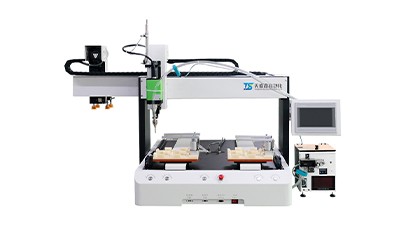
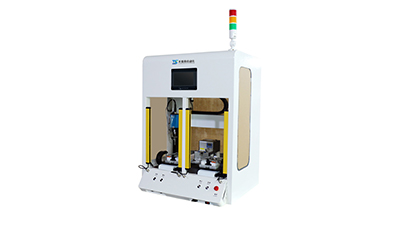
如果你现在正犹豫要不要上东莞自动焊锡机,我更建议不要一上来就全面替换,而是用一个小试点快速验证。具体做法是:先选一条订单稳定、产品结构相对固定的产线,挑一到两款型号做样本,和供应商谈好试产期内由对方派工程师驻场调机。现场你只需要准备两样小工具,一个是简单的节拍记录表,可以用手机计时配合电子表格,把人工焊锡和自动焊锡在不同班次下的节拍、停机原因记下来;另一个是不良品统计表,把焊点虚焊、连锡、少锡等不良用代码统一记录,更好按工位、班组和产品版本区分。这样做两三周后,你会极其清楚地看到效率和良率的差异,决策就不再是拍脑袋,而是有数据支撑的投资回报测算。
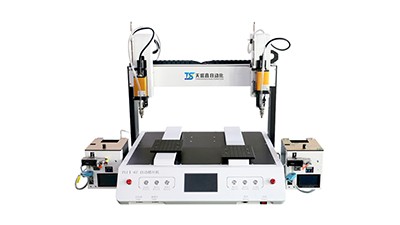
当试点跑顺之后,第二个落地方法是借助东莞当地厂家自带的小型数据采集和看板工具,把焊锡机真正纳入你的生产管理体系。现在不少设备厂家都会免费或低成本提供一个轻量级的数据看板模块,能把产量、良率、报警记录在网页或者大屏上展示,你只要预留一根网线或者一个无线接入点,就能把这些数据收进来。我比较推荐的做法是先不用上完整的复杂系统,而是让焊锡机先对接到一个简单的产线看板或者共享表格,让班组长每天开短会时看一眼节拍和不良趋势,这种微小的反馈,会逼着大家主动去优化换线时间、刀头保养频率和锡丝更换节奏。这个过程中,你和东莞供应商保持高频沟通,有问题直接让工程师带着数据上门调整,比远程邮件来回要高效得多,说难听点,这种“人就在附近”的优势不用白不用。
咨询热线
18938263376