
18938263376

18938263376
热门关键词:
` tags while adding multiple h3 headings. The key is that the content under each h3 can be combined in a single paragraph. However, this might feel awkward with a long paragraph after each heading. I need to ensure I balance the constraints effectively to stay within the 1000-2000 character limit.**Deciding on structure adjustments** I need to include an intro and conclusion, which could push the character count over the limit. One option is to embed them in the first and last factors. I also thought about adjusting the use of h1 and h2 texts. While using five h3 headings for brief explanations is tempting, it may not follow HTML semantics properly since the key content is supposed to be in `
` tags. I'll aim for four `
` tags: an intro, a paragraph for three combined factors, and another for implementation and conclusion. However, this means combining factors into multi-factor paragraphs, which could be confusing given the requirement for specific h3 points.**Choosing a consistent structure** I'm thinking about how to format the key factors using h3 and p tags. The layout could be:
Long content, between 300-500 characters...
` tags. I could put explanation details directly in the h3 headings, but that would break the paragraph structure. While headings don’t count as paragraphs, they need to be clear and consistent, so I'll aim for a structure that balances all requirements effectively.**Preparing for writing** I need to keep the punctuation consistent, avoiding mixing Chinese and English styles. The guidelines highlight we should use full-width Chinese punctuation like ",。?!:;". I can use ASCII for HTML characters but need to be careful with numbers as well, preferring full-width when possible. I'll structure my piece with three paragraphs, each around 350-420 characters, discussing manufacturing pitfalls, describing five key factors, and suggesting practical methods. Insights and tools will be included without mixing languages, and I'll ensure the tone is natural and conversational. Let's start drafting the content in Chinese!
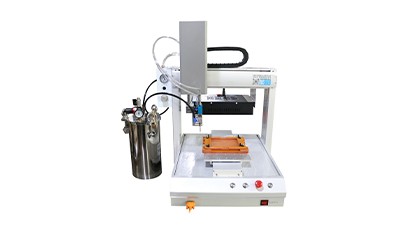
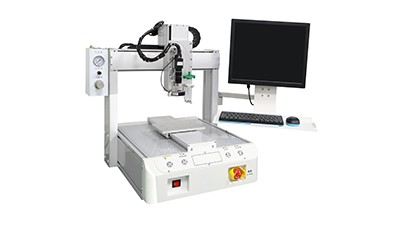
我在做自动拧螺丝和装配线项目这些年,踩过的坑远比看过的样机多。很多企业买自动拧螺丝机,只看价格和现场演示,结果上线后各种滑牙、漏锁、卡料,最后人机并用,设备变成昂贵摆设。说白了,选对厂家,本质是在选一支懂你产品、能一起扛良率和节拍压力的团队,而不是一台冰冷的设备。真正优质的厂家,前期会盯你的产品结构、螺丝材质、公差和工艺节拍,不怕麻烦地问细节,甚至会明确告诉你哪些位置不适合做自动锁付;反过来,只会说“没问题、都能做”的,我一般都会多打个问号。下面我按实际项目经验,把我现在选厂时一定会看的五个要素,拆开讲给你听,尽量让你少走弯路。
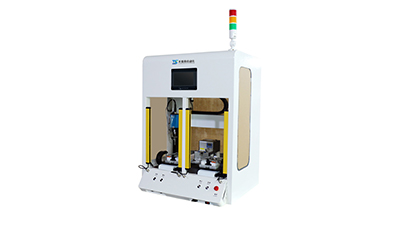
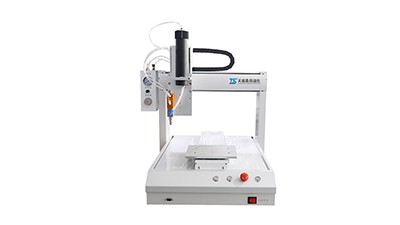
我现在看自动拧螺丝机厂家,眼不是机器外观,而是方案讨论时他们问的问题。靠谱的团队会从产品图纸入手,追问预紧力要求、扭矩范围、螺丝孔前工艺、螺丝涂层和现场尘务环境,甚至会建议你改一点结构,让锁付更稳定,这种理解工艺的能力,比什么都值钱。第二,看锁付稳定性一定要数据化,要求对方提供真实项目的扭矩曲线、良率统计和连续运行时长,而不是在展厅里锁几颗样螺丝给你看。第三,夹具治具要便于清理和换型,比如螺丝道能否快速拆洗、定位基准是否防呆,这些决定你半年后是不是天天叫工程师来救火。第四,项目管理也很关键,看他们有没有明确里程碑、现场调试计划和风险清单,遇到设计变更时反应快不快。最后,售后服务要问细,包含响应时效、远程支持方式、常用易损件是否有安全库存,以及是否愿意培训你自己的维护人员,愿意把经验教给你的厂家,合作起来更安心。
说到怎么真正选出合适的厂,我现在基本固定用两个方法。,用一个简单的供应商打分表,把前面五个要素拆成可打分的条目,例如“前期工艺评审深度”“扭矩数据完整性”“夹具换型时间”“现场响应速度”等,每项设定权重,由工艺、设备、生产和品质几方一起打分,用事实和数据而不是感觉拍板,你随便用一款电子表格就能做出来,后续每次导入新厂家也能复用。第二,一定要争取做小批量试产验证,不要一上来就大批铺开,找一条代表性的线,要求厂家派工程师盯产几天,把螺丝浮锁、滑牙、卡料、节拍波动都记录下来,该优化治具就优化,该调整扭矩曲线就调整,别怕麻烦,项目阶段多折腾一次,量产阶段就能少掉很多夜班。贯穿全过程,你只要牢牢盯住“用数据说话、让问题在小范围暴露”这两点,基本就能筛掉大部分不靠谱的厂家,把坑踩在可控成本之内。
咨询热线
18938263376