
18938263376

18938263376
热门关键词:
` for paragraphs, bullet items could also be considered separate paragraphs. To meet the requirements, I'll follow the rule on using `
` for the main narrative but keep bullet items short. I also need to focus on making 3-6 practical key points with subheadings.**Organizing content structure** I’m outlining a structure for my content, and I want it to flow well. I’ll use headings and paragraphs strategically. For example, I'll introduce each section with roughly 350-380 characters, elaborating on use cases and pain points. I need to follow the paragraph rule for text, but I can include explanations directly under headings. I’ll make each explanation about 280-320 characters for clarity. Overall, this gives me around 1600 characters, which fits my target nicely!**Planning paragraph lengths and structure** I need to ensure that each paragraph stays between 300-500 characters. I'll target around 320-380 characters for my paragraphs. Moving on to the next section, I can write a leading paragraph of about 320 characters. For the methods, I could use short sentences in the list items without needing additional paragraphs since the guidelines don't require minimum lengths for them. This way, I’ll keep the word count manageable while still providing clear content!**Calculating paragraph structure** I’m working on the total paragraph count and structure for my content. I'll have 2 paragraphs for the introduction and pain points, then add 3 for key points, plus 1 for the methods introduction, making 6 paragraphs total. Each needs to be between 300-500 characters, which I’ll approximate using 7-9 sentences at around 35-40 characters each. I need to ensure the overall content stays between 1000-2000 characters, ideally targeting about 260-320 characters per paragraph to keep within the limit.**Crafting paragraph structure** I need to ensure my paragraphs align with the requirement of 300-500 characters. I’ll aim for medium-length paragraphs, targeting about 10-12 sentences, with each sentence roughly 20-25 characters. To reach the needed character count, I can write 12-14 shorter sentences, but that might make it feel choppy. Instead, I’ll opt for 7-9 longer sentences at around 30-40 characters each. In the end, I’ll produce 8-10 sentences per paragraph to maintain a smooth flow. Let's get started!
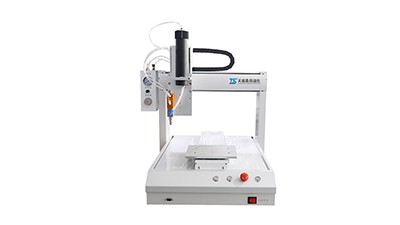
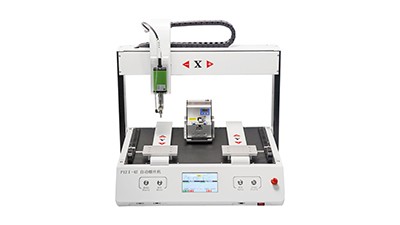
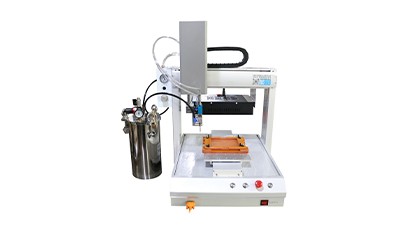
我这几年在深圳工厂里跑产线的体会是,只要产品里有焊点,最终都会绕不开自动焊锡机这个话题。深圳的电子厂有一个很典型的特点:产品生命周期短、型号多、试产频繁,人工焊锡一开始看起来灵活便宜,但一旦进入稳定量产阶段,良率波动、人员流动、培训成本就会开始反噬整体效率。尤其在3C、汽车电子、医疗设备这些行业,焊点可靠性不是小问题,一个虚焊、连锡,可能就是一车返修或者一批客户投诉。说白了,在深圳这种节奏下,如果焊锡工艺还停留在“靠老师傅手艺吃饭”,企业在自动化和数字化上基本就算是输在起跑线了。自动焊锡机的重要性并不只是“省几个焊锡工”的账,而是能不能把焊接这个关键工序做成可复制、可度量、可追溯的核心能力,这一点,很多老板是尝过苦头才真正意识到的。
在实际现场里,我看到自动焊锡机真正解决的痛点有三类。类是稳定性问题,人工焊锡受情绪、疲劳、经验影响很大,同一块板子早班和晚班的焊点质量往往肉眼就能看出差异,而自动焊锡机通过温度曲线、走位路径、焊锡量这些参数的固化,把“师傅经验”变成“工艺配方”,同一款产品一年下来焊接效果基本一模一样。第二类是节拍与人力问题,深圳很多工厂是多品种小批量,频繁换线,如果全靠人工,每次换一种产品就得重新培训一批人,排班非常痛苦,而自动焊锡机只要治具和程序切换得当,换线时间可以压缩到分钟级。第三类是质量和追溯问题,特别是给车厂、品牌厂做代工时,对焊点有明确标准和抽检要求,通过自动焊锡机可以绑定工单、记录参数、输出报表,出了问题能追到具体时间段和设备状态,这在客户审核时非常加分,也直接关系到能不能拿到更高附加值的订单。
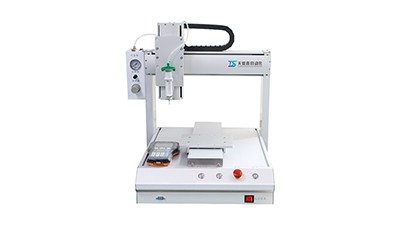
很多企业在上自动焊锡机时容易走弯路,要么一味压价格买回去“吃灰”,要么指望一台设备解决所有产品的问题,最后工艺工程师天天在现场救火。结合我在深圳几家工厂的导入经历,我更推荐把自动焊锡机当作“工艺平台”来规划,而不是单纯的一台设备。选型时先想清楚三件事:你的主力产品焊点形式是什么,今后两三年的产品路线会不会往更细、更密、更高可靠性发展;你的现场工艺团队有没有人能沉下心来做焊接参数库和治具标准化;你有没有计划把设备数据接入现有的看板或质量系统,让它真正融入整条产线的节拍。老实讲,只盯着设备报价,而忽视后续工艺开发和系统对接成本,是我看到最常见、也最危险的错误。
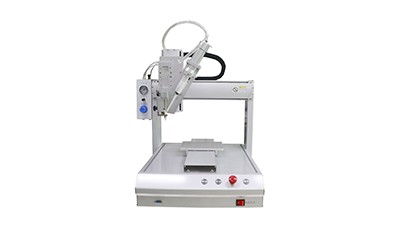
如果你现在正在考虑上自动焊锡机,或者已经买了设备却感觉“没有发挥出价值”,我建议可以从两个非常具体、简单可行的方法入手。步是用统一的“节拍加良率”视角去评估焊锡工序,把人工和自动两种方式在同一套表格里比较,包括单板节拍、首件合格率、返修率、人员数量和加班情况,通过一两个月的数据,你会更清楚自动化到底帮你省的是人还是不良。第二步是让设备真正“说话”,也就是把关键工艺参数和报警记录收集起来,哪怕先用最朴素的方式,比如导出数据到表格,再做简单的统计分析,找出哪些产品、哪些时间段最容易出焊接问题,再反推治具、温度曲线和动作路径的优化方向,这种持续的小步改进,往往比一次性的所谓“大升级项目”更有实际价值。
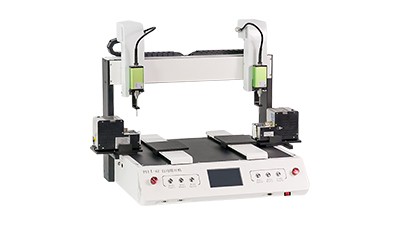
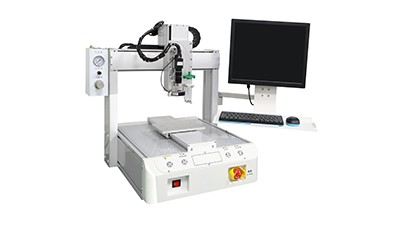
咨询热线
18938263376