**Organizing paragraph structure**
I need 4 or 5 paragraphs, each about 350-450 Chinese characters. It’s a bit challenging, but manageable. We should aim for 3-6 key points, and I’m thinking an ordered list ( with 5 items) could work. Each item would include a heading () and a paragraph. However, if we do 2 paragraphs per item, that could blow past the character limit. So, I’m thinking one intro section and then a list of five key elements, each about 260-320 chars.**Refining paragraph requirements**
The requirement is for 300-500 characters per paragraph, but I think I’ll aim for around 320-360 characters to stay safe. If I target five paragraphs at about 340 characters, that totals roughly 1,700 characters plus an intro of 350, leading to around 2,050, which might be a bit over the max. So, I’m going to strive for a total of 1,500 to 1,900 characters. I'll make each paragraph about 300 characters. I’m also thinking of including 1-2 actionable tools like an Excel template or an OEE calculator, keeping the language consistent and avoiding mixed punctuation.**Structuring HTML and paragraphs**
I’m figuring out the HTML structure for the content. There should only be one tag in the body. I have my main heading, then subheadings for key points, like why selecting the right screw machine is crucial. I'll include five elements in an ordered list, each with a heading and paragraph.
Now, the challenge is with the paragraph count: seven paragraphs could exceed the character limit. To simplify, I can aim for five or six paragraphs and merge sections, like combining the introduction with the methods for making decisions. This way, content guidelines are maintained, but I avoid exceeding character limits.**Planning paragraph structure**
I’m outlining the structure with the first section as an intro explaining its importance, followed by a second heading containing an ordered list with five key elements, each with a paragraph. That gives me six paragraphs total.
Next, I want to integrate methods directly into those paragraphs, mentioning details like creating a scoring table in one of the key elements, which keeps it concise. My goal is to hit around 300 characters per paragraph, aiming for approximately 1,800 characters in total. It might be a bit tricky to control, so I’ll plan for 8-9 sentences per paragraph, focusing on 30-40 characters each. It’s a bit tedious, but I’ll manage!**Checking character counts and adding sentences**
I want to add a final sentence that highlights how many projects struggle because important numbers weren't calculated upfront. That would slightly expand the character count. Originally, paragraph two totaled 293 characters, and I’m considering adding a short phrase about seeing costs and time clearly beforehand. By totaling it up, I find there will still be just under 300 characters initially, so this sounds like it’s worth the effort.
After confirming I’m not exceeding my limits, I can append a phrase to each paragraph, ensuring at least 300 characters while keeping it concise. I'll quickly check the character counts for the remaining paragraphs to make sure they’re compliant.**Counting characters in paragraph four**
I need to analyze paragraph four, which discusses how employers often overlook the importance of communication and data capabilities in a screw machine when they don't plan to use production line data right away. They find it challenging to connect equipment when digitization and traceability systems are needed later. I want to make sure the current character count meets the specifications and, if necessary, append a sentence to enhance it. Let's proceed with the character counting step by step for clarity.
I'll keep a close eye on whether any additions will ensure we meet the overall requirements and provide useful insights.**Finalizing HTML structure**
I’m reviewing the HTML I’ve created for an article about selecting an automatic screw machine. The structure is laid out correctly with headings and methods mentioned, including the "节拍测算表" in item one and the "供应商服务打分表" in item five. I’ll double-check that I used the Chinese fullwidth colon throughout to avoid any ASCII characters, especially in the headings. It's important to ensure there are no extra blank lines in the final output, and everything meets the specified requirements. Now, I can finalize the HTML!
掌握全自动螺丝机选型的5个关键要素,助你成功
掌握全自动螺丝机选型的5个关键要素,助你成功
为什么选好螺丝机比买贵设备更重要
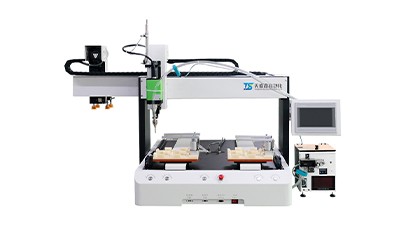
在过去十几年里,我帮过不少厂从人工锁螺丝升级到全自动螺丝机,最常见的不是设备不够先进,而是一开始选型思路就错了,结果上线半年不到,现场天天在骂设备。老板觉得花了钱没看到人力下降,工程觉得调不顺,供应商觉得被要求过高,三方都不满意。其实,只要在选型阶段把几个关键点问清楚、算明白,后面调试和量产会轻松得多。说白了,选螺丝机本质上是算一笔三年的综合账,包括产能、人力、良率、维护成本和未来产品规划,而不是简单比谁报价低、速度写得快。我下面用顾问视角拆解五个关键要素,并给出能直接套用的实操方法,帮助你少踩坑,真正选到适合自己产线的设备。这样一来,设备投入和收益之间的关系就会清楚很多,管理层也更容易做出一致的决策。
五个关键要素与实战经验
-
要素一:先算清节拍和良率,而不是只看速度参数
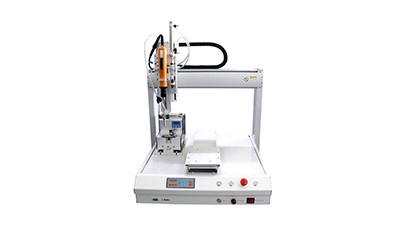
很多企业看螺丝机,反应是问一小时能锁多少颗,其实这个数字几乎没有参考价值。真正决定你能不能减人、能不能按时交货的,是在你自己工艺条件下的节拍和良率,也就是实际每小时可产出的合格品数量。我在项目里都会先和工艺工程师一起,把工位动作拆开,包含上料、定位、锁付、检测、下料等,每个动作估一个保守时间,再叠加换型、补料、换批次时的损耗时间。这里我建议你做一个简单的节拍测算表,可以用Excel把不同方案的节拍、预计良率、人力配置列出来,要求设备商按这个模板给数据和承诺,这样谈下来的方案,落地成功率会高得多。现实中很多项目就是因为前期没算清这些数字,最后不得不在现场被迫加人或者加班来补坑,这部分时间和成本完全可以在纸面上提前看清。
-
要素二:产品与螺丝适配性,决定后期故障率
第二个坑往往藏在螺丝和产品本身。很多人只拿一两颗样品给设备商试机,觉得能吸起来、能锁进去就算通过,上线后才发现批量物料有轻微毛刺、镀层不均、长度公差偏大,于是频繁卡料、滑牙、浮锁。正确做法是让采购提前准备不同批次、不同供应商、甚至是边界公差的螺丝样本,再加上产品上最难锁的几个位置,一起送去做长期测试,看连续运行几小时后的卡料率和虚锁率。测试过程中要让现场工程师到场观察,包括螺丝在料道里的姿态、吸附是否稳定、批头磨损速度等细节,并把发现的问题记录下来,作为后续优化结构或调整螺丝规格的依据,这些准备工作做扎实了,后期现场就不会天天被卡料和返修拖住节奏。哪怕前期多花一两天时间验证,也远比量产后频繁停线要划算得多。
-
要素三:治具与工装设计能力,直接影响稳定性
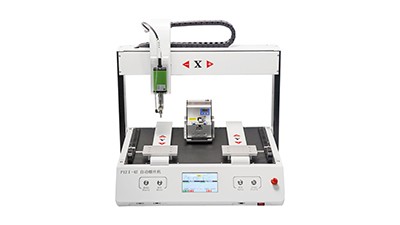
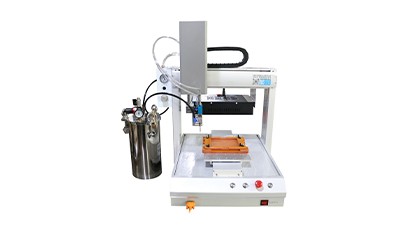
全自动螺丝机的稳定性,很大程度取决于治具和工装设计水平,这一点在选型阶段最容易被忽视。你可以让设备商展示以往类似产品的治具案例,重点看三个维度:一是定位是否可靠,操作员随手一放能不能保证螺孔位置重复一致;二是防呆是否充足,装反、少件、错件能不能一眼发现或被设备拦下;三是换型复杂度,同一台机换不同产品要不要大量拆装螺丝、重调位置。理想的方案是通过可调模组和模块化治具,把换型动作压缩到几分钟以内,还能通过限位块、定位销避免调错,这样设备才能真正适应你产品生命周期内的频繁变更。如果供应商连这些问题都解释不清,那你基本可以判断其机械设计和现场经验都还不够成熟,到真正量产时,治具是否好用,往往比多卖给你几个伺服轴更关键。
-
要素四:数据化管理与扩展接口,为未来留余地
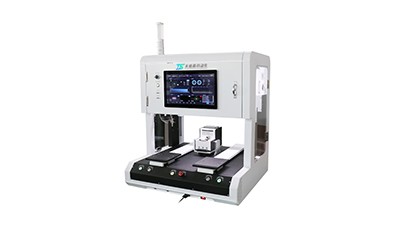
很多老板觉得自己暂时不用产线数据,就不太关心螺丝机的通讯和数据能力,等以后要上数字化、可追溯系统时才发现设备根本接不上。我的建议是在选型时就把数据需求当成硬指标,至少要明确能输出每颗螺丝的扭力、角度、结果判定以及时间戳,并预留标准通讯接口,方便后续接入MES或质量追溯平台。同时,要问清楚设备是否支持配方管理、权限管理和报警记录查询,否则一旦现场出现间歇性不良,工程团队连数据都抓不全,只能靠经验瞎猜。把这些要求写进技术协议,看似增加了一点点初始成本,其实是给未来三到五年的精益改善留好了接口。等你未来要做精益改善或质量追溯时,会发现当初多问这几句其实是帮自己省了很多力气,这类能力一旦在设备层面缺失,后面再补往往要停机改造,成本和风险都会被成倍放大。
-
要素五:服务响应与备件体系,比报价更关键
最后一个关键要素,是服务和备件体系,这往往比设备本身的配置还影响总成本。我见过一些项目,设备参数写得非常漂亮,但供应商只有一两个工程师,全国到处飞,结果你厂里一台机停,就白白损失几万产值。选型时可以和供应商一起推演几种故障场景,问清楚平均响应时间、常备备件名单、关键部件更换的标准工时,并要求在验收时对操作员和维修员做实操培训。一个很实用的方法是做供应商服务打分表,把响应速度、现场覆盖能力、备件价格和库存位置量化打分,按三年总拥有成本来比较,而不是单看设备一次性报价,这样选出来的合作伙伴,才扛得住长期量产考验。从长期看,真正贵的往往不是设备本身,而是停机带来的机会成本和管理精力消耗,这笔账算清楚,再去谈价格才更有底气。