**Planning paragraph structure**
I need to ensure there are no empty lines between tags, even if that slightly impacts readability. To meet the character count requirements for each paragraph, I’ll approximate the counts. Chinese characters and punctuation both count as one. The goal is 300-500 characters per paragraph. I'll aim for 6-7 sentences of about 50 characters each. For the content, I plan to include an introduction, descriptions of missteps, and a conclusion with key recommendations in bullet points.**Structuring HTML layout**
I'm thinking about where to place the bullet list. It might fit well under the second H2 before the H3, using an ordered list with key suggestions like "算清全生命周期成本," "关注换线效率和柔性," etc. This approach will help fulfill the requirement of summarizing 3-6 core suggestions.
For the HTML structure, I won’t include the or tags since the user asked for pure HTML format. I’ll start with , followed by headers, paragraphs, and the ordered list, ensuring everything adheres to the specified hierarchy.**Clarifying punctuation rules**
I need to ensure I'm using full-width punctuation consistently. For example, I'll use 。“,” and "," instead of their half-width counterparts. I'll also stick to full-width parentheses like "( )" for in-text use. Mixing Chinese and English punctuation isn't allowed, so I'll avoid English colons and use ":" instead.
Regarding the title, if "X个" is a placeholder from the prompt, I can consider alternatives like "三个" or "四个." It seems they might want "X" as a variable, but they’re emphasizing not to mix. I'll decide based on that.**Adjusting title and suggestions**
I plan to adjust the title to "三个全自动螺丝机选购误区及应对策略,快来了解!" to reflect three missteps aligned with the H3 sections. Since they mentioned "关于'X个...,'" they might be asking for a specific topic title. Using "三个" is acceptable and consistent.
I'll also incorporate 1-2 actionable methods: one method is creating a scoring table for selection criteria like compatibility and maintenance, and the second is running a small-scale trial on a representative production line. I want to include some colloquial phrases to make it relatable and keep paragraph lengths in mind while crafting the content. I’ll start writing in Chinese, using proper punctuation.**Formatting HTML and structuring content**
I need to make sure all punctuation is in full-width Chinese, like commas and periods and avoid any ASCII apostrophes. I'm using Chinese quotes around "解决方案."
For the paragraphs, the first will cover misstep one: "只看单价,不算全生命周期成本." I’ll embed method one about cost evaluation here. The second and third paragraphs will focus on missteps two and three.
I also plan to include a bullet list of core advice and mention the tools: "选型打分表" and "设备运行日志表." I’ll keep everything in pure HTML format without extra blank lines and use only Chinese characters and digits, ensuring a cohesive structure throughout.
三个全自动螺丝机选购误区及应对策略,快来了解!
先想清楚你到底要买什么
我在做企业顾问时,接触过很多准备上自动化产线的老板和工程负责人,几乎每次谈到全自动螺丝机,大家都会问同一个问题:到底该选哪一款,才不至于花了钱还拖慢生产节奏。我自己看项目,反应从来不是设备外观好不好看,而是它能不能在真实产线上稳定跑三到五年,维护成本是不是你团队吃得消。说白了,全自动螺丝机不是一台简单的电动批,而是嵌在你工艺、节拍、人员组织里的一个系统,一旦选错,会牵扯到工装治具、工位布局甚至品质检验方式的连锁调整。很多企业只在样机演示间看几分钟顺不顺眼,却没有把自己的不良率目标、换线频次、未来产品规划讲清楚,结果设备到线后不断改治具、调程序,隐藏成本远远超过当初省下的那点采购款。所以在谈具体误区之前,我更建议先写一页纸,把你想通过这台螺丝机解决的三个核心问题列出来,用它来对照后面的每一个选型决策。
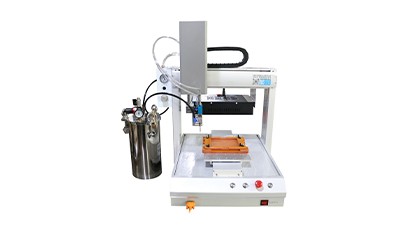
关键选购要点与常见误区
- 用全生命周期成本而不是单价来比较设备方案。
- 把节拍、换线难度和良率波动放在同一张选型表里评估。
- 让供应商参与工艺和治具共创,而不是只卖你一台标准机。
- 先做小范围试线验证数据,再决定大批量导入节奏。
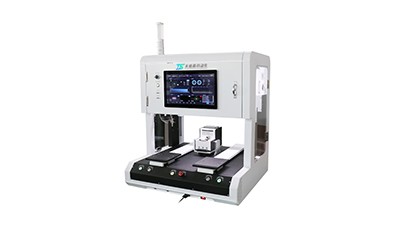
误区一:只看单价,不算全生命周期成本
很多企业次上全自动螺丝机时,采购往往盯着设备报价表,谁便宜选谁,看上去节省了一笔投资,实际却把风险埋进了未来三到五年的生产里。真正有经验的做法,是把设备折旧、备件消耗、维保费用、停机损失、操作人员投入都摊到一颗螺丝的综合成本上,再去比较不同方案的高低。我在项目里经常会让客户把两家供应商的方案放进同一张对比表,增加“平均每月停机时长”“一年内预计更换易损件次数”“需要多少技能等级的维护人员”这些项,结果常常是单价便宜的反而是长期最贵的。一个落地方法,是由工艺、设备、财务三方一起做一份全生命周期成本测算表,提前假设设备使用年限、产量和故障率,再把测算结果写进立项和招标文件里,这样可以有效避免后面被表面价格带着走。
误区二:只看节拍参数,不看换线和良率稳定性
现场选型时,供应商最喜欢给你看的是理论节拍,比如每小时能锁多少颗螺丝,很多负责人一听数字很漂亮,就以为产能问题解决了。但真正决定你每天交付能力的,是产品切换时的换线时间、不同机种之间是否需要频繁调治具、以及长时间运行后的良率波动。有的企业上线后才发现,新产品一来就得停机半天重新调试,或者同一条线早班晚班效率差一截,算下来实际每天产出远低于当初报告。这里我通常会要求在选型阶段就做现场模拟,把你最复杂的三个机种拿出来,让供应商在规定时间内完成从旧机种到新机种的切换,并记录全程操作步骤和所需技能等级;同时要求对方提供真实量产数据截图,包括连续一周的锁付合格率和返修情况。另一个很实用的工具,是建立一张内部选型评分表,把节拍、换线时间、良率稳定性三项单独打分并设置权重,由生产、品质、设备共同评审,而不是只听一方的感受。
误区三:忽视工艺协同和人机工程,只按供应商标准配置
还有一个常见坑,是完全照抄供应商的标准配置,不结合自己工艺和人员情况进行调整,结果设备到厂后不是操作员用不顺手,就是和前后工序对接不上,现场一堆人围着改。这种情况下,问题通常不在螺丝机本身,而在于前期没有把工艺、物流、人机工程整合考虑。我在辅导项目时,会坚持一个原则:让供应商先带着工程师到你的现场走一遍全流程,从物料上料、工位高度、操作员站位,一直看到成品下线,再一起画出理想的工位布置图和治具接口方案。说白了,你要买的不是一台孤立的设备,而是一段顺畅的工作流。一个可立即落地的方法,是在签合同前约定一轮联合评审会,把设备布置图、治具方案、操作指导书的初稿拿出来,由现场班组长和骨干操作员实际演示动作,记录他们的意见并形成书面修改清单,让供应商在发货前就完成优化,这样设备到厂后调试时间会明显缩短,员工接受度也会高得多。