**Streamlining paragraph structure**
I originally planned to have at least one paragraph for each H2, adding up to four, plus additional for each H3. But then I realized I included too many paragraphs, totaling seven, which exceeds the 2000-word requirement. I’ll consolidate to maybe four or five paragraphs while still considering the content structure. Perhaps I can summarize the H3 points within the H2 paragraphs instead of creating separate ones, but the user wants H3 for subpoints too. That’s a balancing act!**Structuring paragraph limits**
I realize I don’t need to insist each H3 has its own paragraph; I can include bullet lists or choose not to have a paragraph at all, though it seems cleaner to keep paragraphs. To limit them, I’ll structure it like this:
- H1 title
- H2 section 1: one paragraph
- H2 section 2: one paragraph plus an ordered list, no extra paragraphs
- H2 section 3: maybe two H3s, each with one paragraph
- H2 section 4: either one H3 with two methods in one paragraph, or two H3s, each with a paragraph.
Doing this allows me to stay close to the paragraph limit while ensuring I’m under 2000 words!**Adjusting for core suggestions**
The user wants 3-6 core suggestions, and in section 2, I might include four items in the ordered list. For the H3 count, I’m considering 3-4, which sounds fine. I need to include 1-2 implementation methods, so I'll create two H3s under section four, each with one paragraph, totaling seven paragraphs again. Actually, if I break it down:
- H2 trends — 1 paragraph
- H2 core ideas — 1 paragraph plus an ordered list
- H2 innovation directions — 3 H3s, each with a paragraph
- H2 methods and tools — 2 H3s, each with a paragraph
That puts me at 1+1+3+2, totaling seven paragraphs. I'll need to manage character limits too, ensuring some paragraphs may need to be shorter.**Reassessing paragraph requirements**
I realize that there’s flexibility; the requirement doesn’t insist that each H3 must include paragraphs. I could use lists instead, like unordered or ordered lists. Maybe I can combine H3 sections under one paragraph since HTML nesting suggests it’s not possible to have paragraph tags spanning H3 boundaries. I can summarize all under one paragraph, using H3s merely as labels for subpoints with lists below.
The user wants “1-2 implementation methods or recommended tools” elaborated on, and I can include those in list form under the H3s instead of separate paragraphs. This could help reduce the overall number of paragraphs!**Refining paragraph structure**
I’m planning to use only four tags. The structure will look like this:
- H2 Trends: one paragraph
- H2 Core Ideas: one paragraph plus an ordered list with 4 items
- H2 Key Innovation Directions: I won't have separate paragraphs for H3s but will use bullet points with multi-sentence descriptions. I’m unsure if list items count as paragraphs, but they can be lengthy.
For the methods section, I can use bullet lists too. I need to keep character counts manageable, so adjusting some paragraphs to around 280-310 characters should help stay within limits. I'll tighten the content in H3s, focusing on key concepts while ensuring clarity.**Drafting methods section**
For the methods section, I'll outline two main approaches. The first method combines "模板线、Excel、扫码" for light digitization, which will include a step-by-step explanation. I want to mention a simple tool, like the mainstream "Power BI" or its Chinese equivalents for dashboards, while being cautious with punctuation to keep it strictly in Chinese style.
The second method is about "虚拟打样和试验板." This involves setting up a standard test board and using low-cost simulation techniques with vendor tools. I’ll narrate in a conversational tone, using "我” and casual phrases like “坦白讲” or “说白了.” Let's get to writing that HTML!
东莞自动点胶机厂家应对生产工艺复杂性的创新方向
一、工艺复杂度在东莞到底复杂到哪一步
在东莞这些年跑下来,我最直观的感受就是:点胶工艺的复杂度是按指数在涨。以前做手机配件,一条线一年就两三个型号,一套点胶参数吃到老;现在同一条线上,可能上午是车载电子,下午换到LED模组,胶水从低粘度到高粘度来回切,客户要求的胶宽、胶高、公差和外观一致性还得同时满足。产品切换快、批量越来越小,工艺窗口却越来越窄,传统靠老师傅调机、手抄本记录的方式根本扛不住,一旦新人上手或者材料略有波动,不良率就蹭蹭往上窜,返工、报废、客户投诉一整套问题都会冒出来。很多老板直觉反应是多招几个调机师傅、多买几台设备顶上去,但我亲眼看到的结果往往是成本增加了,工艺知识却更加分散,谁也说不清哪一套参数才算更佳,这就是我们必须正面解决的工艺复杂性现实。
二、我验证过的几条核心应对思路
说白了,点胶工艺再怎么复杂,本质还是在管理“变”和“稳”这两件事:产品在变、材料在变、环境在变,但出胶效果要尽可能稳。站在设备厂的角度,我这几年总结下来有几条思路:是所有关键工艺参数必须数字化、模型化,摆脱只靠老师傅感觉;第二是设备和治具尽量模块化、标准化,让多品种切换变成有步骤可复用的动作;第三是在点胶过程里嵌入视觉和传感器,形成闭环控制,尽量把问题前移到首件和在线监控阶段解决;第四是把每个客户、每个产品踩过的坑沉淀成工艺知识库,下一个项目能直接复用。中小厂家资源有限,一口吃不成胖子,我一般会建议先挑一条线、一个典型客户,围绕这几条思路做小步快跑的试点。
- 工艺参数数字化、模板化管理,做到有迹可循。
- 设备平台化、治具接口标准化,支持快速换线和多品种共线。
- 视觉与传感闭环控制,把问题前移到在线检测和首件验证。
- 打造客户工艺知识库和标准包,减少重复摸索和人为差异。
三、关键创新方向拆解
方向一:用工艺参数模型替代“老师傅经验”
在我带的团队里,新项目立项的件事不是画机械结构,而是和客户、胶水供应商一起把工艺参数拆成模型:包括胶水特性(粘度、固化时间、温度敏感度)、产品特性(胶路宽度、间隙、高度、容差)、节拍要求、环境波动范围等,然后为不同胶水和产品组合建立标准工艺配方。每一套配方不只是几个速度、压力数值,而是带有适用条件、上下限、风险提示和对应检测方法的“工艺卡片”,配方变更必须记录原因和效果,这样过一段时间就能形成自己的参数数据库。现场操作层面,我通常会要求:首件必须按工艺卡片执行并记录关键数据,量产中点胶机把温度、出胶量、运行速度等数据按订单关联存档,一旦出现异常就能快速追溯是哪一个参数偏离了模型,而不是大家围在机台前瞎猜,这种做法对减少调机时间和跨班组差异非常有效。
方向二:模块化平台叠加视觉与在线检测
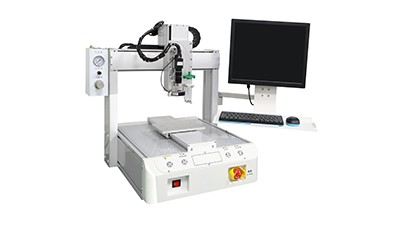
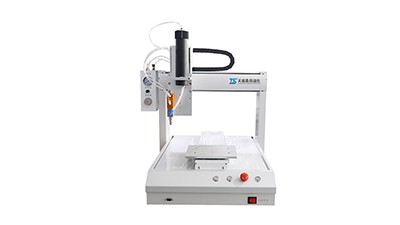
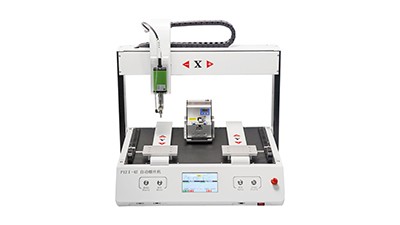
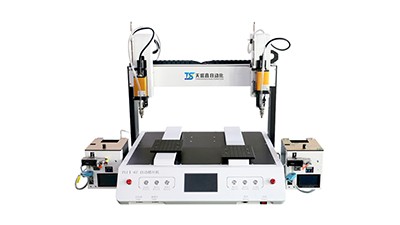
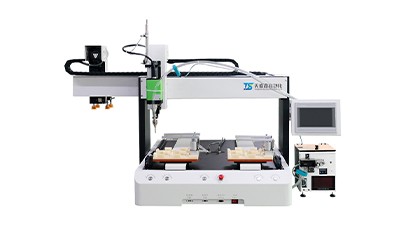
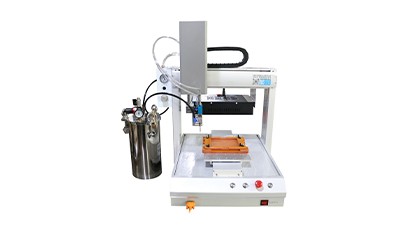
面对工艺多变,如果每个项目都从零设计一套点胶机,成本和交期都会被拖垮,所以我更推崇平台化加模块化的思路:底座、运动模组、控制系统尽量通用,针对不同产品的差异,集中在点胶头、治具、视觉方案这些可插拔模块上,再配一套标准化的治具接口和快速换型流程。这样同一条线可以在内切换多个产品,机械改动变成“换模块”和“换程序”。在控制层,我们会把简易二维视觉、激光测高或称重传感器嵌进去,对胶宽、胶高、位置偏差做抽检或全检,并把检测结果实时回写到工艺配方里,当出现持续偏差时,系统可以提示调节压力或速度,严重时直接锁机要求复检。说句实在话,哪怕一开始只做关键工位的在线检测,把最容易出严重不良的工序守住,客户的抱怨和批量退货风险都会肉眼可见地下降。
四、两种可快速落地的实战做法与工具
做法一:从一条样板线做“轻量工艺数字化”
如果你现在还没做任何数字化,我一般会建议先挑一条典型产品线做样板,而不是全厂铺开:先用Excel或简单数据库把所有在用的点胶配方录进去,字段包括产品型号、胶水型号、设备编号、关键参数、适用环境范围、首件确认人等,再给每套配方生成二维码贴在治具或工位上,操作员换型时必须扫码调用配方,机台自动写入参数并记录操作者、时间和首件结果。现场只需要一台普通电脑加一两支扫码枪就能搭起来,后面可以再把这些数据通过简单的看板工具做成报表,统计每种配方的良率和调机次数,筛出“问题工艺”和“黄金配方”,指导后续优化。这种做法投入不大,但可以迅速把隐性的经验显性化,也为以后接入MES或更的工艺管理系统打好基础。
做法二:建立仿真加试验板的低成本打样平台
复杂工艺最怕的就是在客户正式线体上反复试错,所以我会尽量把试错前移到“虚拟加试验板”阶段:在办公室用离线编程软件或简单的路径仿真工具先把胶路、速度、节拍算清楚,预估可能的干涉、死角和节拍瓶颈,再在车间准备一套标准试验板和几种典型材质的测试件,专门用于新胶水、新产品的打样验证。这样做有几个好处:一是项目初期就能给客户一个比较靠谱的节拍和良率预估,减少后面扯皮;二是把每次打样的程序、参数、外观照片和检测结果统一归档,下次遇到类似产品可以直接参考;三是可以和胶水供应商一起在试验板上联合验证不同固化条件和涂布方式,减少正式产线的干扰。只要配合一两款稳定易用的离线编程工具和简单的拍照记录规范,这个小平台就能持续为你省下不少试错成本和人力。