**Considering content structure**
I see that the title utilizes H1, and they want five strategies, which means I have to determine how to manage the background and structure. I can see six paragraphs given the background H2, but this might impact my character count. Each paragraph should be around 320 characters to stay under 2000 total. I should think about summarizing strategies as H2 headings while considering a bullet list to condense the content. Lists could have shorter items and might not count as full paragraphs, so that could work.**Managing punctuation and structure**
I need to ensure that all paragraphs are between 300-500 characters while keeping list items concise. I should include ordered or unordered lists as they mentioned needing or with - tags to summarize the five strategies. It's crucial to follow punctuation rules and avoid mixing English and Chinese styles. This means using Chinese punctuation, like ",", instead of English commas. However, I think Arabic digits are fine, and tool names like "CRM" are okay to use, but I’ll avoid mixing English punctuation around them.**Planning HTML structure**
I need to ensure there’s no "乱码" by using pure HTML output, so I won't include explanations outside the tags. We'll use H3 tags for finer points within each strategy. However, if we add multiple paragraphs under each H2, we might surpass the character limit. Since the total must remain between 1000-2000 characters, I find that limiting the number of paragraphs to six keeps us within bounds, as each needs to be 300-500 characters. Each H3 will require at least one
, so the structure needs careful planning!**Structuring HTML headings**
I realize we could have an H3 directly followed by text without a
, but since they asked for paragraphs to use the
tag, I should wrap blocks of text in
instead. While H3 is a heading and not a paragraph, I could structure it with multiple H3 headings under an H2 section, placing the last H3 with its paragraph. However, it might seem odd if earlier H3s don't have associated paragraphs. They requested subpoints with H3s, so I might need to find a balance between keeping to the instructions and clarity.**Designing HTML structure and length**
I aim to include at least one small H3 under an H2, but that combination will still be treated as a single paragraph. I also need an
for summarizing the five strategies with each item being a single sentence. The HTML structure must be pure, so I'll keep it minimal, potentially omitting . While they want clearly defined sections, I should ensure no unnecessary paragraphs are added, especially since each counts towards the total character limit, aiming for the right length in each paragraph.**Clarifying HTML requirements and suggestions**
The user requested to avoid any extra blank lines, so I’ll ensure that newlines only occur between tags without whitespace. I also need to sprinkle in a few colloquial phrases. They emphasized avoiding mixed punctuation between Chinese and English, so I’ll only use Chinese marks. For tools, I'll recommend project management options like DingTalk or WeChat Work. I should also ensure that my content addresses real user needs with practical suggestions, focusing on concrete methods and strategies to enhance customer satisfaction while ensuring the HTML maintains clear structure.**Calculating factors for song creation**
I’m focusing on how to create a catchy and engaging song. First, I’m considering the elements that grab attention seems essential — like relatable lyrics, memorable hooks, and strong melodies. It’s all about capturing emotions and connecting with listeners, right?
Hmm, I also think about structure; having a strong chorus, short verses, and maybe some interesting bridges can create flow. And using repetition could help make parts stick in the mind. I can’t forget about the rhythms too; a good beat can totally elevate a song.
Now, let’s explore how genres might influence all this! Different styles might have unique twists for effective techniques. For example, pop often uses upbeat tempos while ballads might lean towards slower, emotional phrasing. Maybe addressing what the intended audience also plays a role here.
Additionally, I can consider the production side; effective layering and instrumental choices impact how a song feels overall. Alright, I’ll summarize these thoughts into clear steps or guidelines for creating a catchy song, aiming to incorporate all these facets effectively.
东莞螺丝机厂家客户满意度提升的五大策略
我的实战背景与客户真实痛点
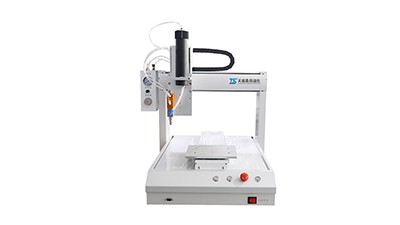
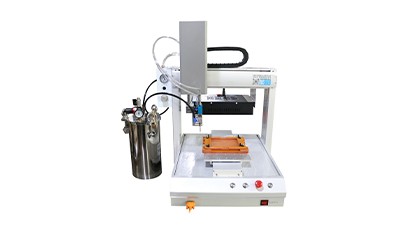
我在东莞做螺丝机已经十五年了,见过太多项目从兴致勃勃开局到交机时两边都憋着一肚子火。客户嘴上说的是价格和交期,心里想的却是这台设备能不能真正顶住三班不停地干。很多厂家把精力花在堆配置、讲参数上,结果现场工人不会用,老板看不到效果,满意度自然上不去。说白了,客户要的是少停机、少返工、好培训、好沟通四件事。只要这四点抓稳了,谈价格一般都好说。过去这些年,我踩过很多坑,也帮几家螺丝机厂家把差评客户拉回成长期合作伙伴。下面这五个策略,都是我在项目里一次次试出来的,基本不用花太多花哨预算,只要肯调整流程就能落地。你可以一条条对照自己现在的做法,看看哪些地方马上就能动手改。只要肯试三个月,客户对你的印象往往会完全不一样。
五个核心策略一览
- 把设备做到好用,让一线工人十分钟能学会并敢用。
- 用数据证明稳定性,让客户随时看得到真实表现。
- 让项目过程透明,进度、风险和边界全部说在前面。
- 售后响应标准化,用机制而不是个人去兜底服务。
- 围绕客户工艺做增值服务,从设备商升级为工艺伙伴。
策略一:把设备做到“好用”而不是“堆配置”
围绕现场工人设计操作体验
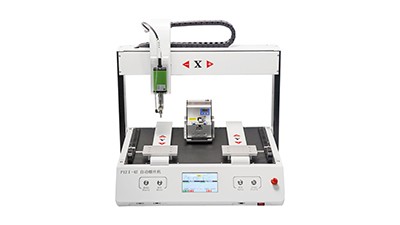
螺丝机到底算不算好用,标准不是工程师觉得,而是新来的普工十分钟能不能学会操作。很多厂拼命加屏幕、加按钮,界面做得花里胡哨,结果现场只敢让一个熟手碰,别的工人一慌就乱按。我的做法是把操作拆成几步固定动作,所有参数预设在工艺配方里,正常生产时工人只需要选择产品型号、按启动、看状态灯就够了。现场常用功能,比如一键退螺、一键复位、点动测试,都放在最醒目的位置,确保夜班也不容易按错。比较落地的方法,是每次交机都安排半天只做操作培训,不调机,把图文版操作步骤贴在设备正面,一周后电话回访,看普通工人能不能自己完成换治具、换批次,如果还要靠工程师远程指挥,说明界面设计还得继续简化。只要现场报工的人觉得顺手,他自然会帮你在老板面前多说几句好话。
策略二:用数据说话,让客户看见稳定性
从“感觉稳定”升级到“数据可查”
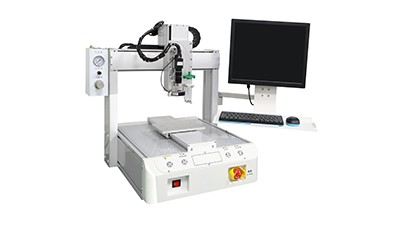
很多厂家跟客户谈稳定性,常用的说法就是百分之多少良率、半年没坏过之类,其实客户心里没底,因为这些话缺少现场数据支撑。我的经验是,从台机开始就把关键数据采集起来,比如每把螺丝的扭矩区间、每班次的产量、停机报警的次数和原因,用简单的表格按天自动汇总。这样客户一看报表,就能知道哪一班老是出问题,哪种螺丝更爱滑牙,你说设备稳定就是有根据的。落地做法可以很朴素,先在控制柜里加一块小记录模块或者工控机,把数据保存到本地,再由工程师每周导出到共享网盘,生成固定格式的图表发给客户。等客户习惯了这种可视化周报,再考虑接入更复杂的云端看板系统,让他们在办公室也能随时打开手机看到设备状态,这一步不要急,先养成看数据的习惯最重要。
策略三:项目过程透明,把不确定性提前说清
进度和风险可视化,减少误解和情绪
客户最怕的是项目做了一半突然听到一句还要两周,他们觉得你不靠谱,其实很多时候只是双方信息不同步。我的做法是从立项当天起,就把关键节点写清楚,比如方案确认、图纸签字、打样、试产、终验,每个节点都有责任人和预计日期,并且做成简单的甘特图发给客户。之后每周固定一个时间发进度更新,哪怕只是告诉对方目前一切按计划推进,也能明显降低他们的焦虑。遇到设计变更或者物料异常,一定要时间说明影响范围和对交期的冲击,而不是拖到最后才一起说。比较好用的工具是直接在协同办公软件里建项目看板,比如飞书、钉钉或者企业微信,让客户也进去,每个任务的状态、负责人、附件都在同一个页面里展示,谁看都一目了然,很多原本可能升级成投诉的小问题,往往就止于一次在线提醒。
策略四:售后响应机制标准化,而不是靠个人英雄
从“打电话找人”变成“机制自动触发”
很多螺丝机厂家的售后,全靠几个老师傅的个人经验撑着,一旦人请假或者离职,客户立刻觉得服务断档。老实讲,这样迟早会出大问题。更稳妥的做法,是把售后响应做成一套标准机制:先约定清楚电话响应时间、远程排查时间、必要时到场时间,再根据设备数量和故障历史准备一份最小备件清单,提前放在客户仓库或者你自己的服务点。常见故障要整理成可视化步骤,比如先拍一下报警界面、再检查供料、最后看电批状态,每一步都配照片或短视频,发给客户也能看懂。很实用的一招,是在每台机身上贴一个二维码,对应一张在线报修表,客户一扫码就能上传图片、视频和简单描述,你这边的服务群同时收到提醒,谁接单谁负责,处理完再在系统里勾选关闭,这样既方便统计,又方便以后复盘,真正做到问题有记录、责任有归属。
策略五:围绕客户业务场景做“增值服务”
把自己当成工艺伙伴,而不是只卖设备
想让客户真正离不开你,光把螺丝锁紧还不够,还要帮他把这台设备放进自己的生产体系里,这才算把价值做完整。很多时候客户不知道该怎么算账,你可以主动帮他算清楚:一台螺丝机能替代多少人工、节省多少工位面积、良率提升一个点一年能多赚多少钱,让老板一眼看到投入产出比。现场工艺上,可以根据不同行业给出一套参考方案,比如锁付顺序怎么排、扭矩窗口怎么设、治具如何做成通用模块,让客户觉得你比别的厂家更懂他的产品。说白了,就是把自己从设备供应商升级成工艺伙伴。比较容易落地的做法,是先挑一两个有代表性的老客户,约他们一起做一套标准化工艺包,把程序、治具、点检表整理好,双方签字确认,后面同类产品直接按这套来执行,你提供升级建议,客户提供现场反馈,慢慢沉淀出可复制的行业解决方案,新客户一上来就能享受这套积累,满意度自然会节节往上爬。