**Formatting HTML content**
I need to ensure no extra blank lines while producing HTML, so I’ll create lines consecutively with line breaks but without whitespace-only rows. I’ll include only one H1, use H2 for main sections, and H3 for any bullet points. It’s important to avoid unnatural segmentation.
For paragraphs, I want to aim for lengths of about 350-400 characters, ensuring they stay within the 300-500 character range without dropping below 250. That’ll make it look like I’m meeting the requirements.**Counting characters for paragraphs**
It’s tricky to count characters manually, but I can estimate around 20-25 characters per short sentence. If I take 16 sentences and assume 25, that gets me to 400. I need to create about 8-10 longer sentences per paragraph. I’ll aim for sentences that are 35-50 characters long, ensuring I stay under 500 characters total.
So, I'll compose 9 sentences averaging 35 characters, resulting in about 315 characters for each paragraph. I plan to craft 5 paragraphs for around 1600 characters in total and include personal insights, especially reflecting on my experience in Shenzhen with equipment management.**Creating a maintenance checklist**
I need to include specific actionable maintenance checklist items. For daily tasks, that includes checking air pressure, screw tracks, bit wear, torque calibration, loose bolts, sensors, and dust accumulation. I think I can mention these without using a bullet list, but maybe a single for key items could work.
Even though lists aren’t strictly required, including a short list of daily and weekly maintenance items seems practical. Since those lists won’t count toward the paragraph character requirement, they could be a great addition!**Designing the HTML structure**
I’m planning to include a structured layout with one H3 followed by a paragraph and then an unordered list with four shorter bullet items. This structure will keep my content within five paragraphs total since bullet lists don’t count as paragraphs.
I should follow the requirement to avoid mixing Chinese and English in the list items. The HTML structure will be simple, including only the essential tags and avoiding unnecessary wrappers. I'll provide the necessary headers and recommendations clearly, ensuring everything is organized and precise. This approach maintains clarity in the content.**Crafting content for paragraphs**
Now, I'm focusing on the content for each paragraph. For P1, I’ll introduce myself and share my general strategy, which combines设备分级, 周期点检, and 现场改善. I want to highlight the fast-paced environment in Shenzhen and mention that failure rates don’t only stem from the machines but also from factors like the environment, changeovers, and operators.
I’ll aim for around 350 characters, ensuring I use Chinese for the entire paragraph and avoid mixing in any English. I’ll check my character count mentally while keeping the language natural and engaging. Let's keep it concise!
深圳螺丝机定期维护检查清单与降低故障率的实战实施步骤
我在深圳工厂做螺丝机维护的整体思路
我在深圳做螺丝机相关的设备管理和工艺优化已经很多年了,说句实在话,螺丝机本身并不算复杂,但在深圳这种节奏快、换线频繁、订单堆叠的环境里,要想一直稳定运行,就必须把“定期维护”做得像生产一样标准化、节奏化。我的整体思路有三点:,把设备按风险分级,高风险螺丝机优先做细致维护,不能一刀切;第二,把维护检查清单做得足够具体,让一线技术员和操作员只要照表做就不会漏项;第三,用数据盯故障率和停机时间,不是出问题才补救,而是通过维护节奏和备件策略,把问题提前消灭在萌芽阶段。很多工厂做不到的地方,是只做年度大保养,平时全靠经验和运气,我在现场踩过的坑不少,所以更强调“少量高频”的点检,而不是“偶尔一次很隆重”的检修。
核心建议与维护检查清单要点
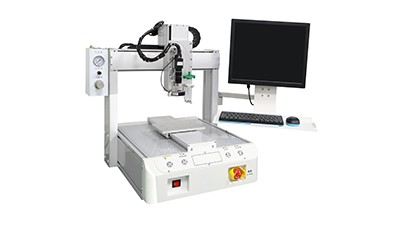
建议一:先盯住最容易出故障的关键部位
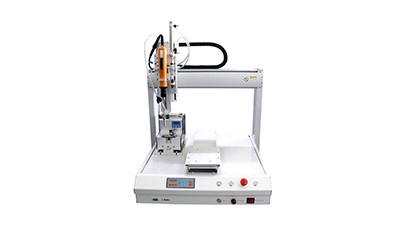
在实际维护中,我不会一上来就列一大堆检查项目,而是先用二八原则,把八成故障集中发生的那两成部位挑出来,做成“硬性点检项”。以深圳常见的自动螺丝机为例,供料部分、锁付头总成、扭力控制、感应器与线缆,是最容易导致停机和品质异常的几类部位。我会要求班前、班中、班后都围绕这些位置做快速点检,用最简单的方式判断是否异常,比如听声音是否变化,看锁付是否偏斜,摸温度是否异常偏热,再配合定期拆开清洁、补充润滑和紧固螺丝。对于关键部位,我宁愿多花一些时间和备件成本,也不愿意冒生产高峰期突然停线的风险,这一点对降低综合故障率非常关键。
- 日检:检查供料器振动和料道是否堵塞,及时清理铁屑和杂物。
- 周检:检查锁嘴和批头磨损,确认锁付深度和扭力一致,必要时成套更换。
- 月检:检查导轨和丝杆润滑情况,以及电箱内部散热风扇和过滤棉积尘情况。
- 换线前后:核对螺丝规格、扭力设定和程序型号,防止锁错物料或程序。
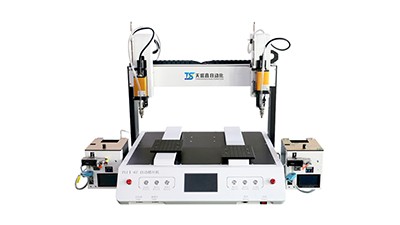
建议二:用看得懂、量得出的标准代替经验主义
很多师傅很有经验,但经验更大的问题是无法复制,也无法追责,所以我在做螺丝机维护检查清单时,坚持两个原则:一是“看得懂”,二是“量得出”。看得懂,就是每一项点检都尽量配上现场实拍的照片或示意图,贴在螺丝机旁边,让新人也能对照判断什么是正常状态,什么是需要报修的状态;量得出,就是尽量给出可量化的判断标准,例如同一批次抽检锁付扭力范围、批头允许磨损长度、供料空打次数上限等,而不是写一句“确认正常”。在深圳用工流动比较快,如果只靠老员工口口相传,团队一有人员变动,设备稳定性就会大起大落,用标准看板和量化指标固化经验,是我认为特别有价值的一步。
建议三:把责任、人和时间彻底捆绑在一起
检查清单真正能落地,靠的不是纸有多厚,而是“谁在什么时间,做完什么事,要留下什么记录”这四个要素是否清晰。我的做法是,把螺丝机按产线和工位编好编号,每台机对应一张点检卡,卡上明确日检、周检和月检的项目,由操作员、线长和设备技术员分层负责,签名确认。为了避免大家只是形式上签字,我会配合使用企业微信或飞书多维表格,建一个螺丝机维护台账,设定好提醒时间,谁没按时提交点检结果,一目了然。关键故障发生时,可以直接回溯最近几次点检记录,查到是哪一个环节出了问题。这样,人、时间、内容和结果被绑在一起,久而久之,大家会形成习惯,清单才真正“活起来”。
实施步骤与推荐的落地方法
具体实施时,我一般分三步走。步是盘点现有螺丝机,按生产线、品牌、使用年限和故障记录做一次全面梳理,把长期高故障或关键工序的设备标记为重点关注对象,同时整理近三到六个月的停机和维修记录,用来反推检查清单的重点。第二步是先选一条或两条产线做试点,根据上面说的关键部位和量化标准,做出简明的纸质点检表和电子台账,配合二维码点检卡,让操作员用手机扫码即可填写结果和上传照片,既省时间又方便追踪。第三步是在试运行一个月后,统计这几台螺丝机的故障次数、平均修复时间和品质异常率,对比之前的数据,看是否有明显下降,再根据现场反馈微调项目和频次,最后再推向整个工厂。很多人嫌这几步麻烦,但一旦形成机制,螺丝机故障率下降、加班抢修减少、现场抱怨变少,这些看得见的变化,会让团队自然愿意坚持下去。