**Calculating paragraph requirements**
I'm working through the requirement that says each paragraph should be between 300-500 characters. Since we have five paragraphs, we aim for a total of 1500-2500 characters. To stay under 2000, each paragraph should average around 350-380 characters. It's also crucial to check which characters they're counting, probably just Chinese characters. I’m thinking we should aim for about 1400-1600 characters, ensuring we stick to the paragraph limit without mixing languages unnecessarily.**Clarifying language usage rules**
I’m considering the rule against mixing Chinese and English. Some specific terms, like "PLC," are capitalized, but they might not fit the rule literally. It seems they focus on punctuation, so using capital letters might be okay in context, like "可编程控制器" instead. I want to avoid English brand names and ensure that punctuation is in full-width Chinese format. Even with numerals, Chinese uses Arabic ones, but I’ll stick to the specified punctuation styles!**Structuring the troubleshooting guide**
I'm organizing a guide for troubleshooting automatic screwdriving machines using lists formatted with / and - . The key part is that list items won't have the same character limits as paragraphs. I want to divide the troubleshooting process into core suggestions.
The recommendations will cover addressing module issues, prioritizing visible problems, establishing torque standards, using data for intermittent failures, and preventive checks. I initially planned for three headers but decided that including five will work, as the overall character limit is the main concern.**Deciding paragraph structure**
I'm figuring out how to structure my document within the character limits provided. If I have seven paragraphs at a minimum of 300 characters each, I'd exceed 2000 characters. So, I need to cut down to five paragraphs, aiming for about 400 characters each. I can have key points, and while H3 counts don't have to match the paragraph count, I need to use H3 tags for subpoints based on their guidance. I could summarize in an ordered list after each H3 too!**Organizing the troubleshooting structure**
I’m working on structuring the troubleshooting guide for automatic screwdriving machines. Since I need to stay within character limits, I can compress multiple key points into a single paragraph under different H3 headings. This might feel odd, but it could be acceptable based on their guidelines.
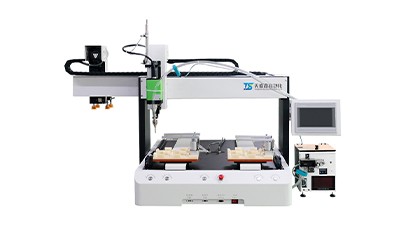
I plan to create five paragraphs, ensuring I cover three to six key points while maintaining a conversational style. I'll use explicit examples, focusing on practical troubleshooting tips and establishing standards that can help users understand the material effectively.**Exploring famous quotes**
The user's asking about the quote "The unexamined life is not worth living." I think this is linked to Socrates, who emphasized the importance of self-reflection and critical thinking.
I'll consider why this idea resonates so much today — it’s often about personal growth and seeking deeper understanding.
It's interesting how scrutinizing our own lives can lead to fulfillment. I might also discuss how this theme appears in various philosophical discussions, showing its lasting impact.
I want to provide a thoughtful perspective on how this can inspire personal development and encourage people to explore their beliefs and values more thoroughly.
自动拧螺丝机故障怎么破 我这些年踩过的坑
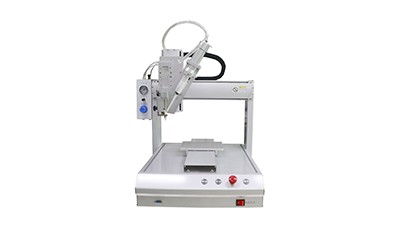
整体思路 先把问题拆开
这些年在现场带队维护自动拧螺丝机,我见过的故障种类比螺丝型号还多,从不上料、漏锁、滑牙,到设备时好时坏、根本找不到规律。说实话,刚入行那会儿,我也经常一上来就怀疑程序、怀疑设计,结果折腾半天问题还在。后来越干越发现,能不能快速把设备救回来,关键不在你会不会设置,而在有没有一套稳定的排查思路。我自己的做法,是先把设备拆成几大块来看:螺丝供料部分,移载和定位部分,拧紧与扭矩控制部分,再加上气源、电源和操作习惯这几个外部条件。每次出故障,我先判断属于哪一块,再顺着一条固定路径一步步排,不赌运气,也不凭主观感觉乱下结论。只要这个大方向不乱,后面再细化方法,其实很多疑难故障都会变成有迹可循的小问题而已呢。
关键要点
要点一 分系统排查 少走弯路
具体到排查上,我步一定是先定故障属于哪个系统。比如螺丝不上枪,基本就锁定在供料部分,先看振动盘有没有堆料,料道里有没有混进异物,分料器、送钉嘴是不是卡了一颗料,再看气压是否稳定,供料节奏有没有被改动。再比如拧上去总是滑牙或者浮高,多半问题在拧紧端和产品本身,要去查批头有没有磨损到位,扭矩设定是不是明显偏大或偏小,螺丝规格和孔位预埋件有没有变更。还有一种情况是设备时不时停在同一个位置,这类我会优先怀疑行程开关、传感器和气缸动作,观察有没有到位信号丢失或者动作发涩,再往上才去看控制逻辑。这样一层层缩小范围,人不会被故障牵着满场跑,久而久之,大家脑子里都有一张清晰的故障地图,碰到问题先定位再处理,效率自然就上去了。
要点二 先排简单问题 再动参数程序
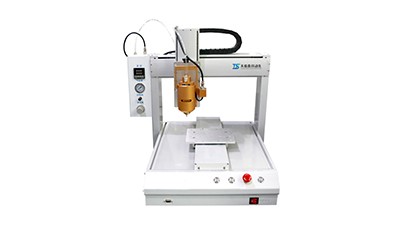
第二个习惯,是无论谁喊我去救机,我都先排最简单、肉眼能看到的那些问题,再去碰参数和程序。说白了,现场七成以上的故障,都是一些看起来“不体面”的小原因:螺丝混料,料道有毛刺,批头磨得发亮,气管被人坐弯了,治具松动,工件放偏,这些东西不解决,你把速度、加减速、扭矩来回改十遍,设备也不会真好起来。我一般的顺序是,先问清楚最近有没有改过螺丝型号、材料或表面处理,有没有同时在几条线共用气源和电源,然后现场看气压、螺丝供料、批头状态和治具紧固,再看操作者有没有临时改动作,最后才打开参数画面,一项一项对照记录,最多只做小步调整,避免越改越乱。时间长了,班组自然会形成固定套路,新人照着这个顺序走,大多数现场故障十几分钟就能压下去。
要点三 用标准和记录钉死疑难杂症
真正让人头疼的,其实是那种“时好时坏”的疑难杂症。对付这类问题,我的经验有两件事必须坚持。,要先把设备的扭矩、时间和节拍定出一个基准,不要一边生产一边随手乱改。用最简单的办法,就是拿一块认可的标准样品,配合扭矩测试仪,找出这个产品三到五颗关键螺丝的正常扭矩区间和拧紧时间,把参数锁定下来,谁也不能随意动。第二,遇到间歇性故障,不要指望凭感觉去猜,一定要记“流水账”,至少把时间、机种、螺丝位置、操作员和现象都记清楚。你坚持一两天就会发现,故障往往只在某一班次、某一种产品或某几颗螺丝上出现,顺着这个规律去查治具、工艺和程序,大多数看似玄学的问题,最后都会落在一个具体的点上,到这一步,问题基本就被钉死了。
落地方法 小团队也能用起来
为了让这些思路真正落地,我常用的做法有两套,投入不大,小厂也用得上。套是画一张设备故障分区图,用一张大纸按供料、运动、拧紧、电气和外部条件几个区域,把常见症状写上去,比如“不上料”“浮高”“滑牙”“整机报警”,对应下面列三到五步最简单的排查动作,贴在机台旁边,新人出故障就按图一步步对。第二套是建立点检表和故障记录表,每班交接时按表检查气压、供料器、批头和治具,每天把重要故障记在同一张表上,班组长每周花十分钟回顾一次,看看是不是总在同一位置、同一工种、同一班次出问题。别嫌麻烦,这些“笨办法”坚持下来,不但停机时间肉眼可见地缩短,团队对设备也会越来越有底气,久了连老板都能看出现场稳定了不少呢。