**Clarifying formatting rules**
I'm trying to figure out if I can use an ordered list of short items since they didn't specify a character limit for list items, just for paragraphs, which have to be 300-500 characters. So, I think keeping the items short should work. I’ll also avoid any extra blank lines, as they mentioned "无多余空行". I'll make sure to keep each tag on a new line to prevent it from being seen as completely empty.**Structuring the document**
I’m designing the structure for a document. It starts with a main title and a subheading discussing why evaluating fully automated screw machines shouldn’t just focus on speed. I plan to share my first-person background, the evaluation concept, and balance reliability with speed in a paragraph of 300-500 characters.
Then, I outline five core evaluation points, introducing a list of criteria to assess. It seems I need to cut down the content since I have too many paragraphs, aiming to stay within 1000-2000 characters. Four to five paragraphs seem manageable while covering the essential points and methods.**Planning document structure**
I'm outlining the structure for my document with specific sections. The first H2 is titled "评估思路与常见误区" which will include one paragraph of 300-500 characters. The second H2, "核心评估要点," should have two paragraphs. The first will summarize 3-4 key suggestions, maybe using inline numbers, while ensuring it meets the requirement of 3-6 core suggestions.
Instead of separate paragraphs, I'll include an ordered list () after the paragraph. The last H2, "落地方法与工具," will contain two paragraphs detailing methods or tools, along with a summary of tips as a small unordered list (). This structure will keep everything within the required character limits!**Clarifying heading structure**
So, I've decided we won't use H3 unless necessary. The requirements mention using H3 for subpoints, but if I don't have those, I can stick with just the H2. They want 3-6 key suggestions, which can be included in an ordered list () under the relevant H2, keeping it compliant. However, for the methods in the last section, I definitely plan to use H3 for each method. Each method will be followed by a paragraph of 300-500 characters, and the H3 headings won’t count as paragraphs.
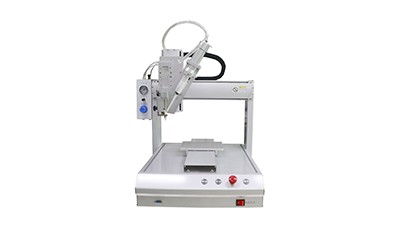
如何评估全自动打螺丝机的整体性能与可靠性
评估全自动打螺丝机的整体思路
我在自动化行业干了二十多年,看过太多企业买全自动打螺丝机,只盯着宣传册上的节拍和价格,结果上线后不是达不到产能,就是故障一堆,现场天天骂人。说白了,评估这种设备,不能只问“多快”,而要先搞清楚“稳定多久”“适配多宽”“维护多难”。我的做法是从三个层次看:一是产能层,看有效节拍、换线时间和人机配合,算的是长期平均而不是几分钟试机表现;二是稳定性层,看长期良品率、停机结构和扭矩控制能力,重点是有没有明显的薄弱环节;三是适配和管理层,看它和现有工艺、质量体系、备件和维修资源能不能顺畅衔接。只有这三层都打勾,这台设备才算真的好用,而不是展会上那几分钟看着很帅。
关键性能与可靠性要点
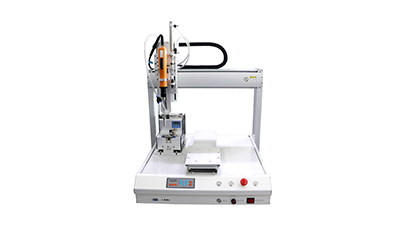
很多人问我,现场实际评估时到底该盯哪些数字。实话说,我带团队选全自动打螺丝机,必看五个点,而且都用数据说话,不听厂家单口相声。,真实产能,用有效节拍乘以稳定良品率来算,而不是听对方喊每分钟多少颗螺丝;第二,扭矩控制和滑牙率,要能持续记录,并且看不同螺丝规格下的数据分布,而不是抽几颗螺丝拧一拧就算放心;第三,停机时间和故障类型,看是不是集中在少数机构或程序上,判断设计是否成熟;第四,适配窗口,包括螺丝种类、产品尺寸变化、治具和批次切换时间,直接决定后续扩展性;第五,寿命和维护成本,看关键部件更换周期、备件价格和维护难度。下面这几个要点,可以当成你评估时的简单清单。
- 用有效节拍加良品率评估真实产能。
- 持续记录扭矩和滑牙率,盯紧螺丝质量窗口。
- 统计停机时间和故障类型,看设备是否好养。
- 评估不同产品和工位的适配范围与换线时间。
- 通过寿命试验和备件成本,算清全周期投入。
落地方法与工具实践
方法一:轻量级数据评价体系
方法落地上,我最常用的是先搭一个“轻量级数据评价体系”。具体做法是,在样机测试和小批试产阶段,就把关键指标定死:有效节拍、单班总产量、良品率、停机次数和总停机时间、扭矩合格率等,然后让操作员按工位贴着简单的记录表,班组长每天拍照回传,由工艺或设备工程师汇总到一个标准模板里,用普通表格软件就够,不需要上来就搞复杂系统。坚持一到两周,你就能画出节拍波动和故障趋势,哪些螺丝、哪个程序、哪个班次问题多,一目了然。这样再和厂家讨论优化,心里有数,也方便把验收标准写进合同,比如要求达到某个有效节拍区间、停机时间不超过多少分钟、扭矩合格率达到多少,而不是靠印象拍脑袋。
方法二:高强度试产与寿命预演
第二个我强烈建议的,是做一轮“高强度试产加寿命预演”。不要怕麻烦,找一条代表性最差的产线,安排连续几天满负荷运行,尽量模拟真实节奏,包括换人、换料、换治具的实际情况,同时要求现场工程师记录所有异常的开始时间、结束时间和原因。并行再安排专人用扭矩测试仪,按照固定频次抽检各工位扭矩是否漂移,顺带检查供料系统有没有卡料、混料、漏送的隐患。必要时可以在关键部位增加简单的计数器或时间记录装置,帮助判断零部件寿命和预防性维护周期。经过这样一轮折腾,你基本能看清设备在高压环境下的真实可靠性,哪些零部件会先出问题,维护窗口应该怎么规划,哪怕早期发现一些缺陷,也是把风险挡在量产前,比听任何样机演示都更靠谱。