**Structuring paragraph limits**
I need to ensure the article has 3-6 core suggestions, embedded as h3 headings, and I'm thinking each should probably have its own paragraph. Then, if I follow that with additional paragraphs under an h2, this could create quite a bit of text. The total character count must be between 1,000 and 2,000, and I want to find a way to satisfy both paragraph and character requirements. I'm computing the structure to see if it works!**Optimizing paragraph count**
To stay within 2,000 characters, I need to minimize the number of paragraphs. For instance, I could use 4 paragraphs at 300 characters each, totaling 1,200 characters, or perhaps 5 paragraphs for 1,500 characters. I can present 3-6 core suggestions as list items, since they're counted differently than paragraphs. It seems like I can use an h3 for some suggestions while keeping them in a single h3 heading with an ordered list. This approach might satisfy the requirements!**Designing the article structure**
I’m drafting a structure that includes an h1 title, followed by h2 headings and paragraphs. I'll start with an introduction (300-500 characters) and then provide 3-5 key principles under a second heading. For core suggestions, I'll include a list that doesn’t count as additional paragraphs, which keeps the character count manageable. Additionally, I want to incorporate practical methods and tools with a conversational tone, using natural phrases and proper punctuation. It’s crucial to keep everything clear and concise!**Crafting paragraphs carefully**
I need to ensure I wrap my list items correctly using or and avoid nested inside
- . While they didn't explicitly say to keep the list text-only, I think it's simpler that way. Now, I have to craft three paragraphs, aiming for about 380-420 Chinese characters each. Counting characters is tricky, so I'll estimate based on sentence length instead, planning for 7-8 sentences per paragraph. I want to keep the sentences moderate and clear while maintaining character counts!**Paragraph length verification**
I've crafted my first paragraph at 314 characters, which is within the 300-500 range. To enhance it, I added a short sentence about solving quality issues. Now, for the second paragraph, I'm at 309 characters after adding a quick note about maintaining stability in production equipment, which ensures it also meets the required length. I need to apply a similar process for my third paragraph to ensure it's in the same character range, aiming for that 300 to 500 character target!**Assessing maintenance principles**
I’ve realized that to implement maintenance principles effectively, I should start with simple tools rather than heavy systems. My first suggestion is to use a shared spreadsheet tool that everyone can access, recording essential data about each machine, which only requires checking boxes daily. Alternatively, I propose using QR codes for maintenance tracking, enabling quick data collection. This foundational recording mechanism is cost-effective and prepares us for more advanced management systems later. Overall, I think this approach ensures accessibility and ease of use for all team members!
如何有效维护自动螺丝机以保证稳定运行
认知:维护本质上是经营问题
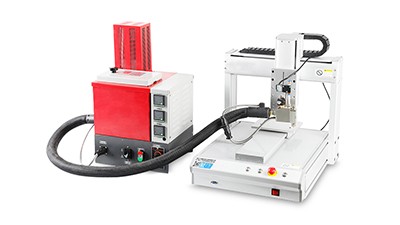
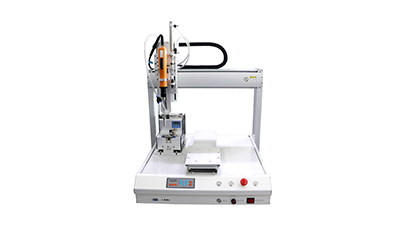
我自己做自动化组装代工这几年发现,自动螺丝机维护做得好不好,直接决定毛利率和交期稳定性。刚开始我也以为这就是设备工程师的事,后来几次大批量返工,把我彻底打醒:螺丝机一旦不稳定,现场就会不停停机、重锁、人工补锁,良率和节拍全被拖垮。要避免这种被动挨打,维护不是等坏了再修,而是要像管理人一样,给设备定目标、定标准、定节奏。只要你肯前期多花一点心思,把维护做成一套简单可执行的机制,即便现场班组长学历不高,也能把设备养在一个可控的状态,而不是靠“大神”来救火。老实讲,我踩过的坑不想你再踩一遍,所以下面的做法都会围绕一个核心思路:让设备维护从“玄学”变成任何人看得懂、做得动的日常动作。这部分做好了,后面很多质量问题其实都迎刃而解。
关键要点:让设备稳定的几条硬规则
核心建议
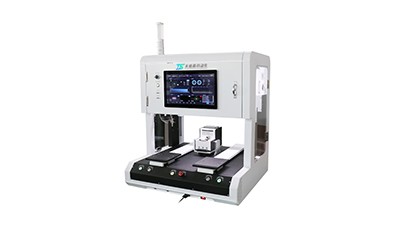
在我们厂里,我把自动螺丝机的稳定性拆成几件最关键的小事,只要这些事情做到位,设备基本就不会给你太大惊喜也不会出大问题。核心有四条思路:是信息要清楚,谁来维护、按照什么标准做,不能全靠经验;第二是把最容易出问题的螺丝、批头、治具盯紧,这三样出状况,其他优化都是白搭;第三是维护要前移,别等停机了才想起拆机检查;第四是用数据说话,让设备自己“报警”,而不是靠师傅的耳朵听声判断。说白了,就是把设备当成一个有档案、有体检、有体征数据的员工来管理,你会发现很多顽固的小故障,其实提前两三天就有迹象,只是没人记录、没人看。下面这几条原则,我基本是按周去跟产线一起复盘的,效果非常直观,坚持三个月,你会明显感到故障率在往下掉。
- 建立设备“身份证”和点检标准:统一记录型号、治具、参数、润滑位置和更换周期,打印成一页纸挂在设备旁边,新人也能照单执行。
- 把螺丝、批头、治具三件套标准化:锁付前先用简单治具抽检螺丝尺寸和电镀质量,给不同批头设定锁付次数上限,导轨、振动盘和吸嘴按计划清理更换。
- 做预防性维护排程:把每日清洁、每周紧固、每月深度保养写进排产表,固定在换线、吃饭前后等自然停机时间执行,减少对产能的冲击。
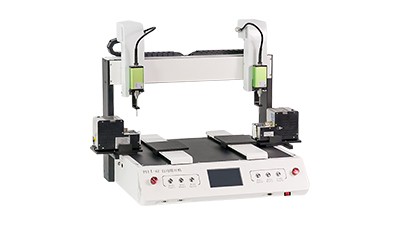
- 用简单统计做预警:每班记录卡料、浮锁、滑牙、返修数量,每周按设备汇总成趋势图,一旦某台螺丝机的指标异常,就暂停继续放单先排查根因。
落地方法与工具
从简单工具起步
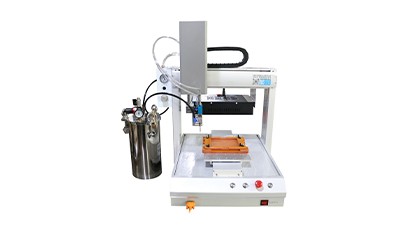
为了让这些原则真正在一线落地,我一开始没有上很重的系统,而是先从最简单也最容易坚持的工具入手。方法一,我建议先用一个全员都能打开的共享表格工具,比如飞书多维表或者钉钉里的云表格,做一份设备台账和维护日志,把每台螺丝机编号、参数、易损件寿命、历史故障全部记录进去,再配一张一页纸的点检表贴在设备旁边,班组长每天只用打勾和写数字即可。方法二,可以给每台螺丝机贴一个二维码,扫码就能打开对应的维护页面,现场师傅只要选“卡料”“浮锁”“滑牙”等选项并上传照片,数据就自动沉淀下来,后面统计哪台机子问题多、哪种螺丝最难锁,一眼就能看出来。等你把这套低成本的记录和预警机制跑顺,再考虑引入更专业的设备管理系统也不迟,这样投入更有针对性。