
18938263376

18938263376
热门关键词:
goes against semantic rules, as each h3 should ideally have its own
. This could mess up the overall character count, which needs to stay within 2000 characters. The user needs paragraphs of 300-500 words. So, I'm thinking of decreasing the number of paragraphs to keep it balanced while aiming for around 2000 characters.**Designing paragraph structure** I'm thinking about structuring the content into eight paragraphs, targeting around 260-280 characters each, but I see the specs suggest a minimum of 300. I might rework this to six paragraphs of approximately 320 each for a total near 1900 characters. I need to map them to headings. For instance, I can combine h3 headings with shared paragraphs, but each h3 needs its own text. Alternatively, I can use h3 for list titles with aggregated paragraphs. I'll focus on meeting the structural requirements while keeping each paragraph between 260-350 characters.**Structuring paragraphs and lists** I'm considering minimizing the number of paragraphs to about 4-5, focusing paragraphs under h2 headings and using lists under h3 headings instead of paragraphs. This might work since the user emphasized natural language, which could apply to list sentences. For structure, I might have: - h1 - h2 with a detailed introductory paragraph - h2 for core technical advantages with a larger narrative, then a couple of h3 headings for lists. I think as long as I keep paragraphs between 300-500 characters, the information in lists can be shorter and still fulfill users' requirements.**Defining content structure** I’m working on the structure for the document, focusing on clarity and compliance with user guidelines. It looks like I’ll start with an h1, followed by various h2 and h3 headings. For instance, under – h2 for industry status and pain points with a 300-500 word paragraph. Then I’ll summarize the core technical advantages, followed by h3s detailing individual points in lists. I also need to stay purely in Chinese without any English abbreviations or mixing languages, while including colloquial phrases to enhance readability. This way, I’ll keep everything aligned with standards.**Crafting paragraphs** I'm planning to create around four paragraphs, aiming for about 350 characters each, which gives me a total of around 1400 characters—nice! I need to ensure that no blank lines are inserted between the HTML tags since it should be continuous. While some line breaks are okay, I'll definitely avoid any extra blank lines to meet the user's requirements. Next up: I’ll just dive in and start writing!
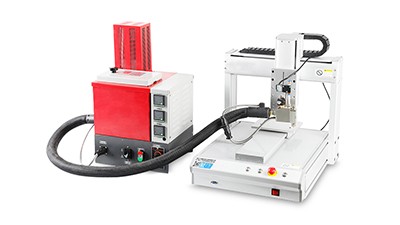
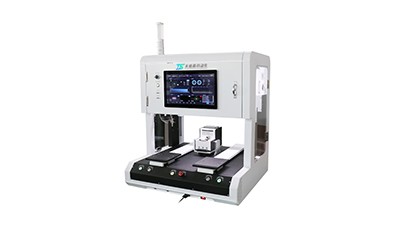
这几年我在东莞跑了不少电子厂,从小作坊到代工大厂,大家在焊接环节遇到的共性问题很集中:产品型号多、批量小、换线频繁,手工焊靠熟练工,良率完全看师傅状态,一旦订单波动或人员流动,生产和品质就一起“跪”。很多老板看上自动焊锡机,却发现一台设备只适合某几款产品,真正上了线,要么频繁调机耽误产能,要么工艺窗口太窄,稍有偏差就虚焊、连锡。说白了,大家真正需要的不是一台“会焊”的机器,而是一套能覆盖多品类、能快速切换、还能把经验固化下来的系统能力。因此,判断一家东莞自动焊锡机厂家的技术含金量,我更看重他们在多品类焊接场景下,能不能帮用户解决“换线难、参数难、稳定性难”这三件事,而不是只看设备外观和标称速度。
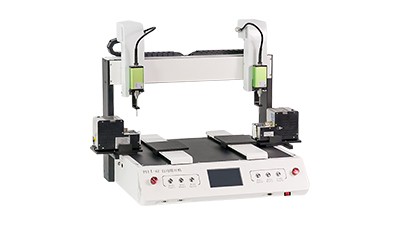
从我接触的头部东莞厂家来看,能在多品类焊接上玩得转的,往往有三个底层共性:是夹具和平台的通用化设计,能通过少量模块组合适配不同板型和结构,换线更多是换模块,而不是整套方案推倒重来;第二是有自己的焊接工艺数据库,把不同焊盘尺寸、引脚形态、锡丝规格、助焊剂类型和温度曲线关联起来,通过参数模板去适配新产品,而不是每次靠工程师“重头摸索”;第三是运动控制、视觉定位和温度控制是联动的,不只是简单“走轨迹”,而是能够根据焊点位置、散热条件,动态调整速度、送锡量和预热时间。老实讲,很多看起来价格很香的小厂,就是在这三块偷了工:治具靠外协、工艺参数没有沉淀、控制系统东拼西凑,一旦你产品线多起来,就会暴露出各种不可控的细节问题。
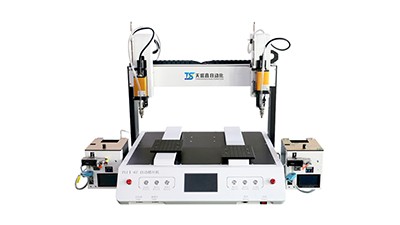
很多工厂引入自动焊锡机失败,不是设备本身能力不够,而是前期规划和合作方式不对。我自己的观察是,想在多品类焊接上真正用好自动化,至少要做好三件事:,先把现有产品按焊接难度和稳定性做分层,把最适合标准化的那一档先自动化,而不是一上来就啃最硬的骨头;第二,用小批量样品线验证节拍和良率,要看“连跑几天”的稳定数据,而不是的展示效果;第三,把厂家当长期工艺合作伙伴,而不是单纯设备供应商,让他们参与到你产品前期的设计评审和试产过程中,这样很多焊接隐患可以在图纸阶段就被指出,而不是到量产才返工。
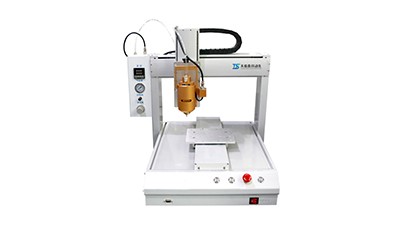
如果你已经在考虑上自动焊锡,或者正在用但效果一般,可以从两个简单的动作开始落地。,建立一份焊接工艺台账,把每个品类的关键工艺参数、良率数据和典型问题都记录下来,这样和设备厂家沟通时有“硬数据”支撑,对方也更容易做针对性优化。第二,引入基础的生产数据采集和看板工具,哪怕是用表格配合扫码和简单统计,也比完全凭感觉强得多。只要你能把“哪台设备、哪款产品、哪一批次”对应起来,持续几个月,就能看出不同参数和治具方案对良率的真实影响,这比任何一次演示都更有价值。
咨询热线
18938263376