**Planning paragraph structure**
I’m considering organizing this into five paragraphs: an introduction, evaluation dimensions, structural/software, methods/tools, and a closing. However, I worry that the closing might push the total over 2000 characters. So, I'm targeting four big paragraphs, each around 350 to 400 characters. I also wonder about combining H2 and H3 headings to streamline content while ensuring meaningful paragraphs. Ultimately, I might allow for up to six paragraphs as long as they're under 2000 total characters.**Structuring the evaluation**
I think six paragraphs would provide more flexibility, aiming for each to be around 330 characters. I’m considering an introduction that summarizes 3-6 key evaluation dimensions, possibly using an ordered list. We can evaluate team background, consistency through samples and stress testing, structure and materials, plus software and engineering support. I’ll also include a section on tools and methods, ensuring to clearly mention one or two tools while maintaining cohesive paragraphs.**Designing the structure**
I’m realizing that fewer paragraphs could work better. One option might be using H3 for summary tips without following them by paragraphs, which might feel odd but could still be valid. However, each paragraph should stay within 300-500 characters. For the first section, I want to include 3-6 key suggestions in an ordered list to highlight them clearly. I’m planning to introduce myself, mention common oversights like focusing only on price, and outline the four key points I want to cover.**Planning evaluation criteria**
I’m aiming for 350-400 characters for my paragraphs, and I’ll craft them later. I’ll start with an ordered list of key suggestions focusing on practical aspects of evaluation:
1. Examine actual solder point effects and long-term yield, not just samples at exhibitions.
2. Assess structural design, wiring, and materials to determine machine stability.
3. Check software usability, ensuring technicians can learn within a week.
4. Review the responsiveness of the after-sales team and their ability to keep up with production.
There won’t be any paragraphs inside the list since the items will be short.
Next, I’ll move to the second paragraph about soldering consistency methods, detailing the process of requesting a full line soldering test.**Constructing evaluation paragraphs**
I’m focusing on crafting my paragraphs with 350-400 characters per section. For the third paragraph, I’ll discuss open cover inspections. This includes checking linear guides, screw brands, sheet metal thickness, and wire arrangements while ensuring to emphasize inspection without power.
In the fourth paragraph, I’ll highlight software and process support, covering aspects like HMI, process libraries, and training and programming evaluations by front-line technicians.
For the fifth paragraph, I'll mention two simple tools for practical evaluation, using a scoring table and phone recordings during trial productions to document findings and enhance trust in manufacturers. Overall, I’ll ensure to meet the character counts and structure guidelines.**Drafting inspection guidelines**
I’m working on drafting my second paragraph, which focuses on soldering consistency, crucial for reducing rework and customer complaints. The best approach I suggest is to bring a PCB and materials used in production, ensuring to have the manufacturer run tests for several hours rather than just a few samples. I’ll emphasize the importance of inspecting the solder joints closely and monitoring parameters like yield and scrap rates. I want to make sure I convey that being thorough in this step saves a lot of future hassle!
For the paragraph, I’ll ensure it's above 300 characters.**Evaluating mechanical structure**
In the second part, I'll focus on inspecting the mechanical structure and materials of the equipment. Essentially, I want to see if the framework is sturdy and well-made. When visiting the manufacturer, I’ll look for their willingness to show me the internal structure. If they hesitate, that raises a red flag. I’ll check the wiring, connections, and any reinforcement that contributes to long-term stability. I don’t need to remember every part, but I want to ensure consistency across different batches!**Implementing evaluation methods**
To make my judgments actionable, I usually rely on two handy tools you can copy. First, I create a simple evaluation form that scores four aspects: welding consistency, structural materials, software usability, and after-sales response. Each aspect is rated on a scale of one to ten, and I adjust the weights based on my company’s specific needs.
Second, I use my phone to record key actions during sample trials, like powering on and fault management, and review them with my team later. This keeps us grounded in data, ensuring we choose the right manufacturer based on real evidence!
如何评估深圳自动焊锡机厂家产品质量?
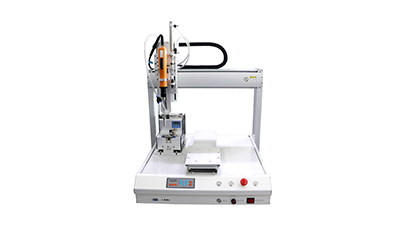
如何评估深圳自动焊锡机厂家产品质量?
一、先搞清楚要看什么:质量评估的关键框架
关键要点总览
我在电子制造这行摸爬滚打了十几年,见过太多企业选自动焊锡机只看价格,结果一上线不是良率掉得厉害,就是设备老出小毛病,最后算下来反而更贵。评估深圳自动焊锡机厂家的产品质量,说难不难,说简单也不简单,关键是别被展会现场那几块漂亮样板骗了,而要围着实际产线的稳定生产来思考。我的经验是,真正要看四个点:焊接一致性和长期良率,机械结构与用料,软件和工艺支持,以及售后响应和改机能力,这四项基本上决定了这台设备未来三到五年的综合成本。这套思路不复杂,但必须有次序、有记录,否则看完几家厂家脑子里全是碎片信息,很难做决定。你只要照着这几个点一步步问清楚,心里基本就有数了。下面我就按这几个维度,结合自己踩过的坑,讲讲如何落地地评估。
- 优先看焊接一致性和长期良率,而不是只看一次性的样板效果。
- 重点审查机械结构和用料,确认没有偷工减料并且布线规范。
- 实测软件易用性和工艺支持水平,判断普通技术员能否快速上手。
- 综合评估售后响应和改机能力,确保设备生命周期内有人负责。
二、焊接一致性:用连续打样和数据说话
建议一:带上自己的板子做“暴力打样”
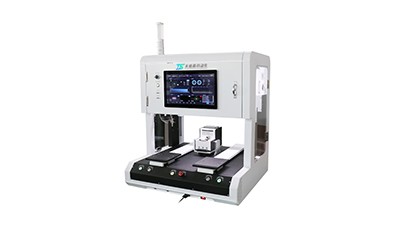
焊接一致性是我考察的项,因为这直接决定你后续的返修人力和客户投诉。最简单的办法,就是带上自己典型产品的电路板和物料,让厂家用你的锡线、助焊剂按实际节拍打样,不是焊几点给你看看,而是连续跑几个小时,把首件、中间、尾件的板子都留下来检查。你让现场技术员拆几块板,用放大镜看焊点的润湿、锡量、拉尖、锡珠情况,再问清楚这段时间的良率和报废数量,有条件的还可以要求他们把过程参数记录给你,比方说温度曲线、送锡速度、移动速度这些,都要保持稳定。不同厂家拿到同一套板子的打样效果一对比,谁的波动大、谁的细间距焊盘容易出问题,一目了然,这个时候你就不要心软,该淘汰就淘汰。这一步做细一点,比事后天天追着人返修省事多了。
三、结构与用料:敢不敢开盖给你看
建议二:开盖检查细节与标准化程度
第二块我一定会看机械结构和用料,通俗讲就是这台设备骨架结不结实、细节做得细不细。到厂家现场,先看他敢不敢当场开盖给你看内部结构,如果千推万推,各种借口不让开,你心里就要打个问号了。我一般会顺着走线,从国标电源线、端子排、接地,到导轨、丝杆、轴承座、钣金厚度,一路看过去,重点是看有没有偷工减料和乱走线。线束如果绑得整齐,所有线头都有标识,拖链弯折位置留有余量,机架内有没有加加强筋,这些都直接关系到长期稳定性。你不需要记住每个零件品牌,但至少要做到同一家厂不同批次机器内部看起来是一致的,有标准,有工艺卡,而不是哪台机器是谁装的就长什么样,这样的厂家后面质量波动往往很大。一台机子天天在产线折腾,结构不过关再便宜也别要。
四、软件与工艺支持:决定你后期的使用成本
建议三:现场试编程,顺便把培训问清楚
第三块是软件和工艺支持,这个很多老板容易忽略,但真上了量产你就会发现,软件好用不好用,决定的是调机速度和对操作员的依赖程度。我一般会要求厂家安排现场,让你自己或工程师从零开始录制一条焊锡程序,看界面是不是直观,参数命名是不是通俗易懂,常用功能放得是不是顺手,再看有没有现成的工艺库可以调用。一个比较成熟的系统,应该有权限管理、参数备份、配方复制这些基础能力,还要支持简单的统计报表,方便你回头分析问题。你再问清楚,他们有没有专门的工艺工程师能下厂指导,培训是一次性的还是可以多次跟进,有没有标准教材和录像资料,这些都直接影响你后续引进新人、开新产品的学习成本。软件如果过于复杂,全靠一个老工程师死撑,哪天人一走,设备基本就废了一半,这样的风险一定要提前看见。
五、两套落地工具,让评估变得可量化
建议四:评估表加手机录像问题清单
最后说说怎么把这些判断落地成可操作的方法,我自己常用两个小工具,你完全可以照抄。一是做一张简单的评估表,把焊接一致性、结构用料、软件易用性、售后响应四个维度列出来,每项按一到十分打分,再根据你企业的情况给个权重,像良率和稳定性就可以权重大一点。每去一家厂家实地看机、打样完就在现场填表,别等回去凭印象想,几家一对比,谁是真正稳定,谁只是嘴上说得好,数字会告诉你。二是用手机录像配合问题清单,在打样和试产时,把上电、自检、更换产品、处理异常这些关键动作全都录下来,回到公司让工艺、品保、维修一起看视频,对着画面把所有问题记在清单里,再拿着清单和厂家约定整改期限,后续试产就按清单逐条验证。这样你不是被业务员的承诺牵着走,而是用你自己的数据和记录来选厂,到时候就算老板问起,你也能拿出一套有理有据的说法。